Tabletop games are often played to socialize with other players, hence why so many of them can be played by more than 2 players at once. Even though competitive gaming may be interesting, it becomes troublesome in larger groups of people. An example of a frustrating situation would be being ganged up on by other players, resulting in being eliminated early, and then forced to idly wait till the game is over.
In this article, I will explain where some sources of frustration can come from and what design approaches can be made to make them less annoying or less frequent.
Ganging up against one player
In some free-for-all games, players who are behind can balance out skill differences among players by sabotaging the leading player (for example, by destroying that player’s resources). Although this concept sounds fair and healthy in theory, it misses one crucial point: players can often be petty. The game may become frustrating if every other player tries to drag you down, especially if you’re the only player targeted by them.
Limiting access to interactions
The first step to more pleasant games is to limit the possible harmful interactions between two particular players. It can be achieved by:
- making such interactions less likely to happen
- spreading access to them equally for every player
- limiting the target choice for them
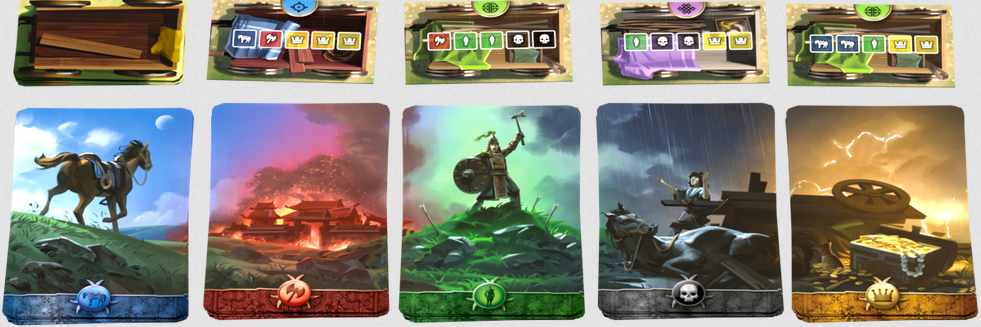
In the board game “Huns,” during each round, players take turns taking a card from a stack of cards that wasn’t selected earlier this round. One stack contains cards that can harm an opponent of your choice, meaning only 20% of cards each round can interact with other players. But it still can enable one player’s pettiness – such a player may select the same stack each round and use it always on the same player, making the game insufferably unpleasant for that opponent.
Stealing feels less personal than sabotage
In free-for-all games, the most beneficial role of destruction is to sabotage the opponent who is the biggest threat to you. It reduces the gap between you two, but it doesn’t give any advantage over other opponents. Stealing effects combine sabotaging with your own gains, which means they’re beneficial even against players you haven’t targeted. Depending on the situation, it may be even better for you to steal from a weaker player, as long as they have something that is of huge value to you. This nuance may distract players’ focus a bit, occasionally giving some players a small break.

The game “Power Plants” includes mechanics related to the zone control. At the end of the game, players get a higher score the more zones they control. Sometimes, taking control of the opponent’s zone will give you more points than any other currently available action.
Indirect sabotage also feels less personal
Plenty of tabletop games implement some sort of pool of neutral resources. Some of them are always more desirable than others, and each player has their own priorities. When someone takes a resource from the pool, there may be a chance that person is trying to sabotage your plans, but it’s more likely that they’re just trying to fulfill their own goals.
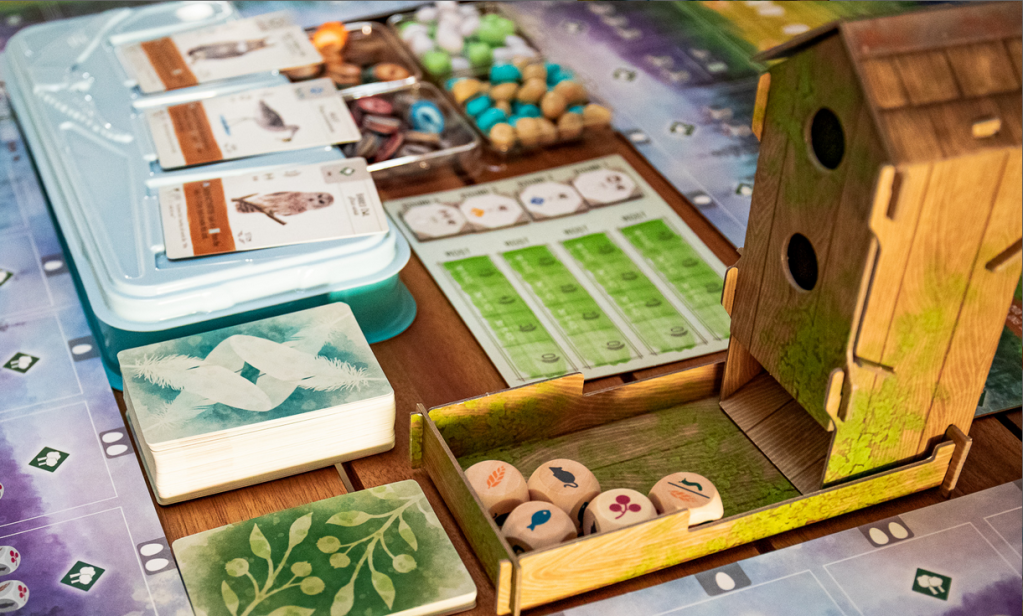
In the game “Wingspan,” some neutral resources (such as 3 cards or up to 5 resource dice) are revealed to players. Even though your opponents may take the ones you need, it’s hard to blame them – they probably needed it too.
A discreet sabotage
Actions you don’t know about can’t hurt you if you aren’t aware of them. Such a system is rarely used, but it can be occasionally seen, mostly in games that include cards, or to be more precise, drafting.
Drafting is a mechanic where every player gets a few cards, picks one for themself, passes the rest to the next person, and repeats the process until all cards are gone. Usually, players pick cards that benefit them the most, but they may occasionally pick a card that would benefit an opponent if it was passed to them. Unless the initial set of cards made a full cycle, you won’t know what cards your opponents have picked, meaning you can’t know if they possibly tried to sabotage you.
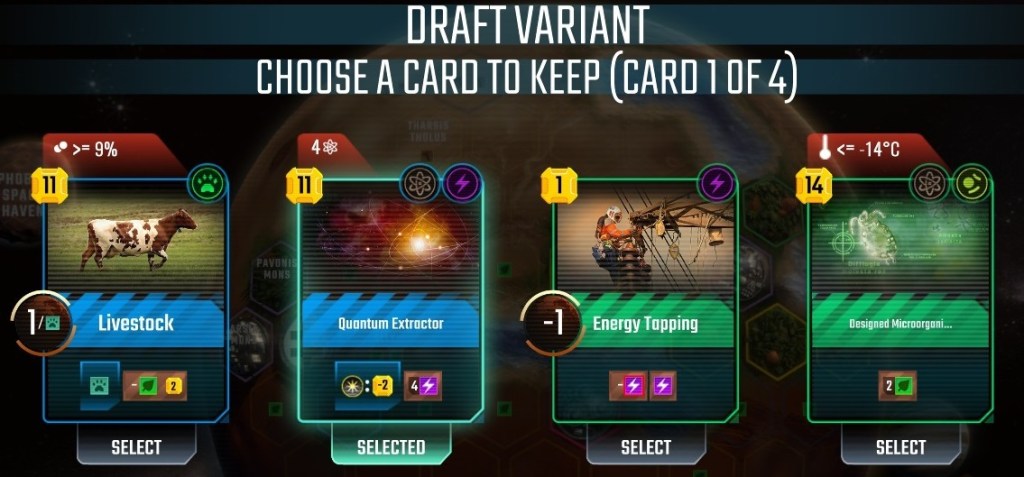
In the popular board game “Terraforming Mars,” players can occasionally get some cards from drafting. This game includes a lot of planning ahead, meaning many cards won’t be played for many rounds and sometimes aren’t even played at all. It makes tracking sabotages very difficult.
Spectrum of winning
One of the most exciting things about games is the race for first place. But that thrill comes with a drawback – someone has to lose. Playing with a group of friends usually means that there will be more than 1 loser. How can we make losing less frustrating?
Engaged till the end!
In some games, players can get eliminated early in the game, meaning they can no longer participate. Surviving eliminations is quite exciting, but being eliminated early and having to idly wait for others to finish can be irritating. Luckily, it hurts less if the game is about to end soon, or if spectating is also engaging.
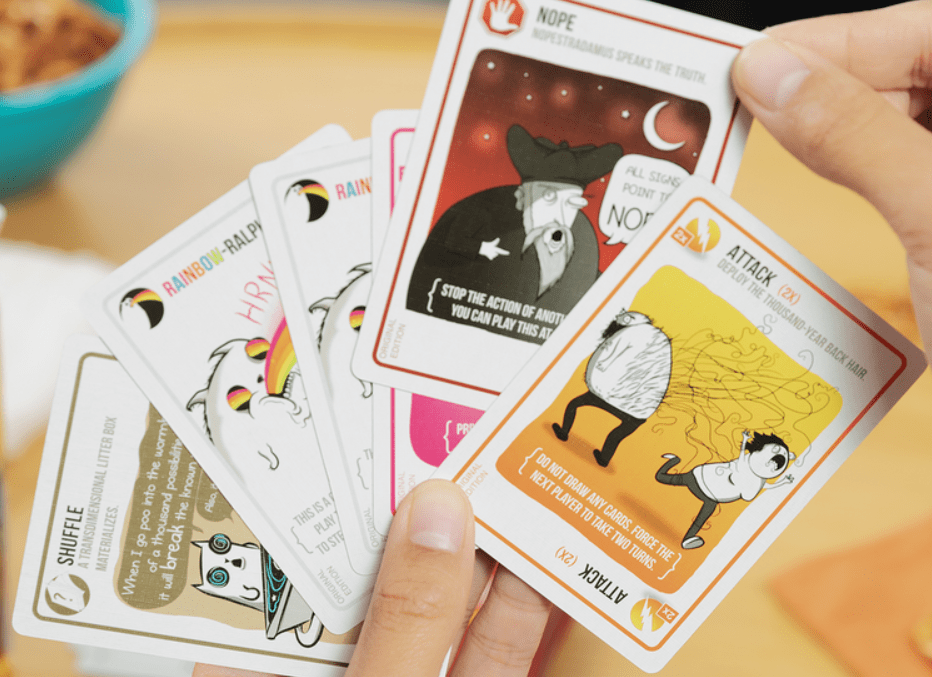
The game “Exploding Kittens” is an example of an elimination game with a relatively short duration of about 15 minutes. Even if you lose, you won’t have to wait long for another round.
Social deduction games (such as “Werewolf”) can be an example of games that can be engaging even after the death: players can still enjoy the spectacle of people struggling to trick other players or read their bluffs. You can also silently cheer on your team, hoping they will finish your job.
In most board games, players can play the game till the end, meaning there are no eliminations at all. The win condition in such games is usually to get the most points before a particular event (such as running out of cards) or complete some objective first (such as being first to reach meta). That way, everyone can play till the end.
Unpredictability is your friend
Some players, after falling far behind the leading player, may be aware they have no chance of winning long before the game’s end. In such a scenario, the game no longer feels like a competition, making it much less exciting.
If the game is unpredictable enough, even players who are far behind are able to win. It can be achieved either by:
- Giving players a chance to suddenly gain a huge advantage.
- Giving players a chance to suddenly lose their advantage (which is a less fun version of the method above).
- Letting players sabotage the leading player (which may be an interesting tactical twist, but may feel unfair for the targeted player).
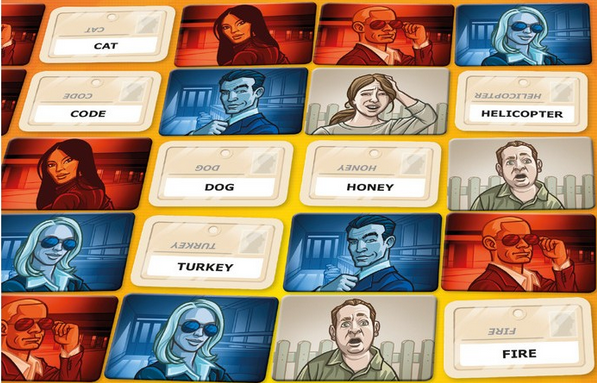
In the team-based game “Codenames,” players take turns trying to correctly guess as many words as possible. As long as you’re guessing correctly, you may keep guessing, granting even more points for your team. However, a wrong guess may end in giving points to the opponents’ team or even instantly losing the game for your team. No matter if you’re in the lead or not, there is always a chance to turn the tables.
Racing against yourself
A lot of modern board games are score-based, where players are simply trying to get as much score as possible. In such a setting, players don’t necessarily have to compete against the leading player – they may as well compete for 2nd place or even try to beat their previous record. Even if you haven’t won the game, you may have a lot of points to be proud of.
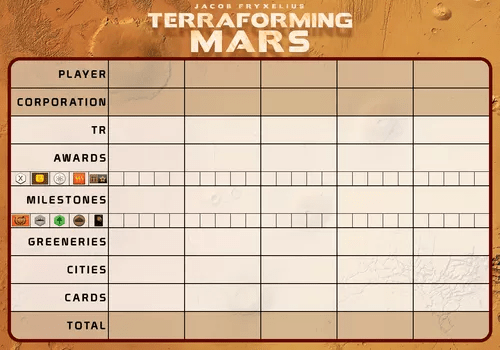
In the game “Terraforming Mars,” the end-game score of players may vary a lot. Since the game is focused on claiming zones and objectives, the difficulty of getting a score may vary depending on other players’ playstyles. Even if you don’t get the first place, your score may still be impressive on its own or compared to other players.
Winning as a team
In team-based games, you win as a team, meaning there will always be more than 1 winner. The more winners there are, the fewer players will lose. Over the span of many games, you will be less likely to feel frustrated because of losing, as long as you don’t feel a grudge against your team if you fail to win.
The importance of chaos
The game is more exciting if you don’t know who will be the winner, especially if there is a chance you will become one.
Fog of war
Hiding some information from other players is a way of hiding information about your opponents’ potential for scoring. This is why so many board games include cards – they’re a convenient way of hiding some data from others. Having some strong finishers in hand feels empowering and makes you await the scoring phase with anticipation.
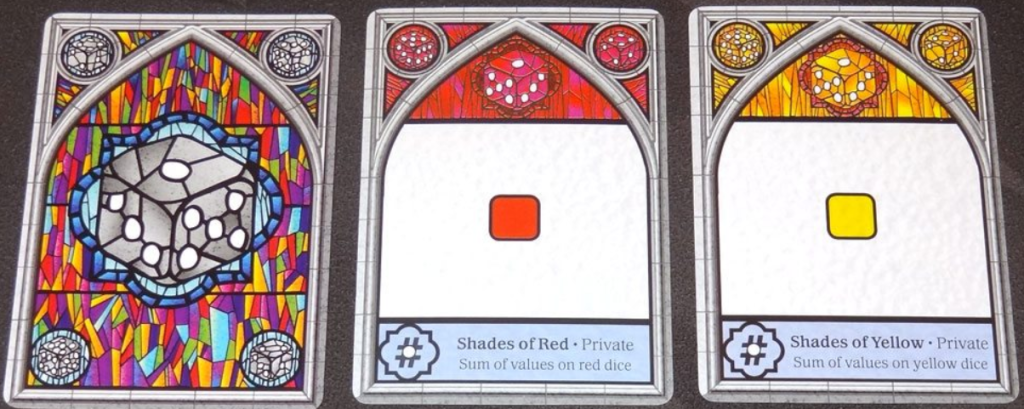
In the game “Sagrada,” each player has one private objective that can potentially grant a huge amount of points. Players can try to guess the objectives of other players. Even if you think you see that your opponent could potentially have an objective that will guarantee them a win, there is always a hope they’ve a different objective and won’t score that much.
It’s worth noting that the fog of war may be more beneficial for competitive games, as it makes risk-taking more intense and is more rewarding for players who predict opponents’ actions well.
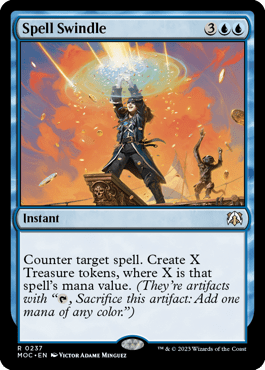
In the game “Magic: The Gathering,” players may occasionally play actions during the other player’s turn, as an interruption. Since you don’t know what cards opponents have in their hands, you often can’t predict the outcome of your actions, making the match engaging till the end. The more players are participating in a match, the higher the chance that someone can turn the tables in an interesting way.
Great number of factors
In some games, a lot of different factors can contribute to the final score. Such variety is usually implemented to make the game’s choices more interesting. However, as a side effect, the more factors are taken into account during the score counting, the more difficult it is to track scores during the match, especially when you’re facing multiple opponents. This inconvenience may discourage players from such attempts, reducing the odds that they will see who is currently leading, occasionally saving them from unnecessary frustration.
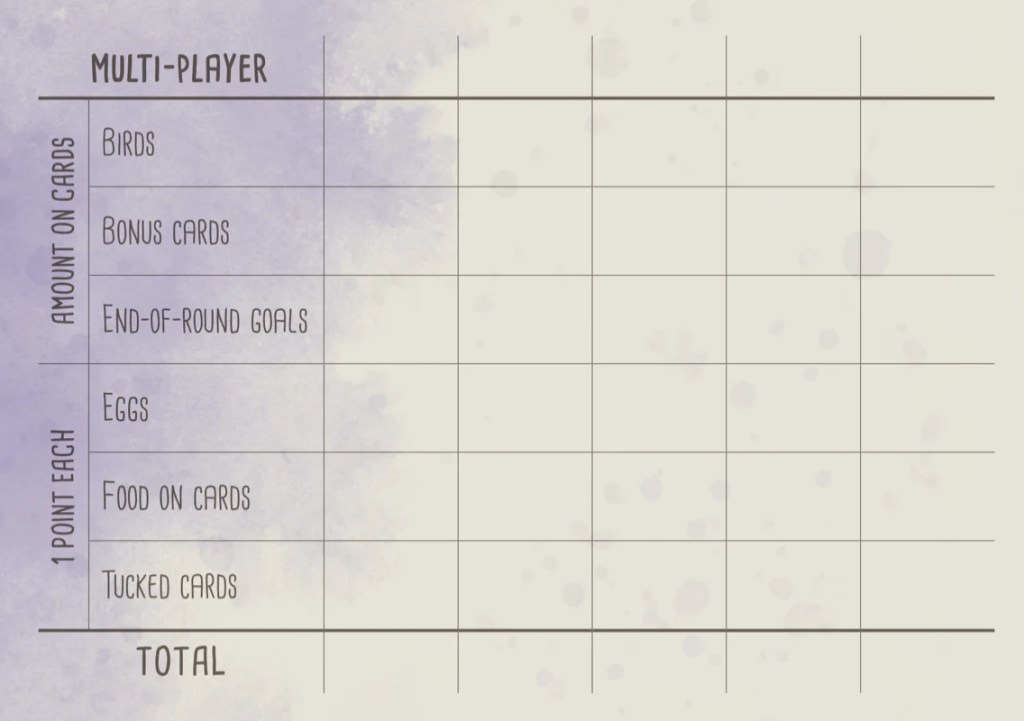
The game “Wingspan” is one of many board games with a complex scoring system. Many variables are continuously changing over the course of the game, making them difficult to track by opponents.
 Game Anatomy
Leave a comment