Reward tracks are a form of reward system that provides rewards for achieving specific milestones within a designated time frame (which is usually referred to as “season,” and takes at least a month). The reward track is typically divided into a free tier and a premium tier. Players typically progress through it by completing specific quests or by simply playing the game. It has become so popular that it’s now being implemented in a vast majority of games of certain types.
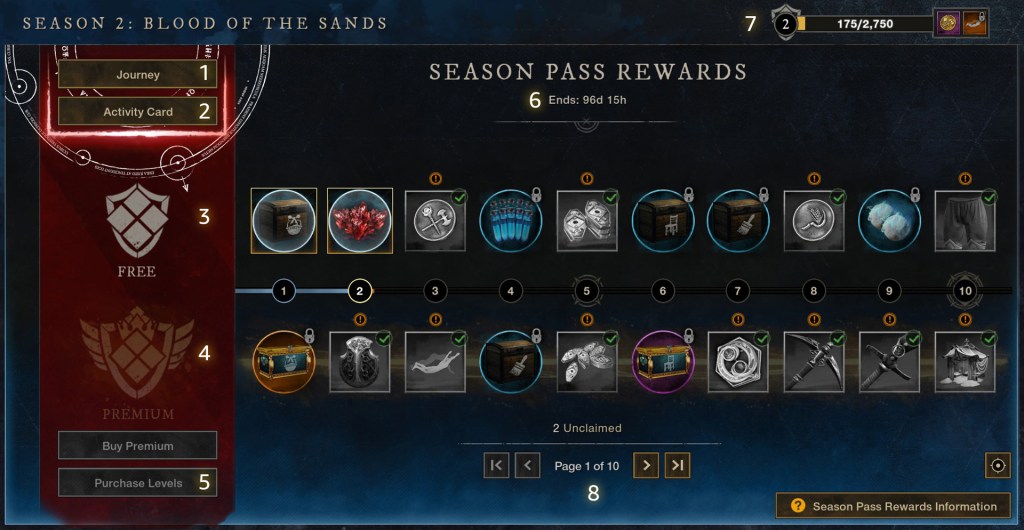
An example of a reward track in the game “New World”. Players can complete tasks to get experience and advance. Each level reached gives a one-time prize. Players have the option to purchase a season pass, which unlocks access to the rewards in the bottom row (players must still progress their track to claim them).
Use case
Reward tracks are typically used in games that benefit from maintaining a large player base as long as possible (which mostly benefits multiplayer games). However, this system also works well for games that are constantly evolving (for example, by consistently releasing a new content), or games that need an additional monetization system.
Dopamine boost
Rewards placed on the reward track are highly irregular, making them feel special. Some of them are much more valuable than others, making them an exciting goal.
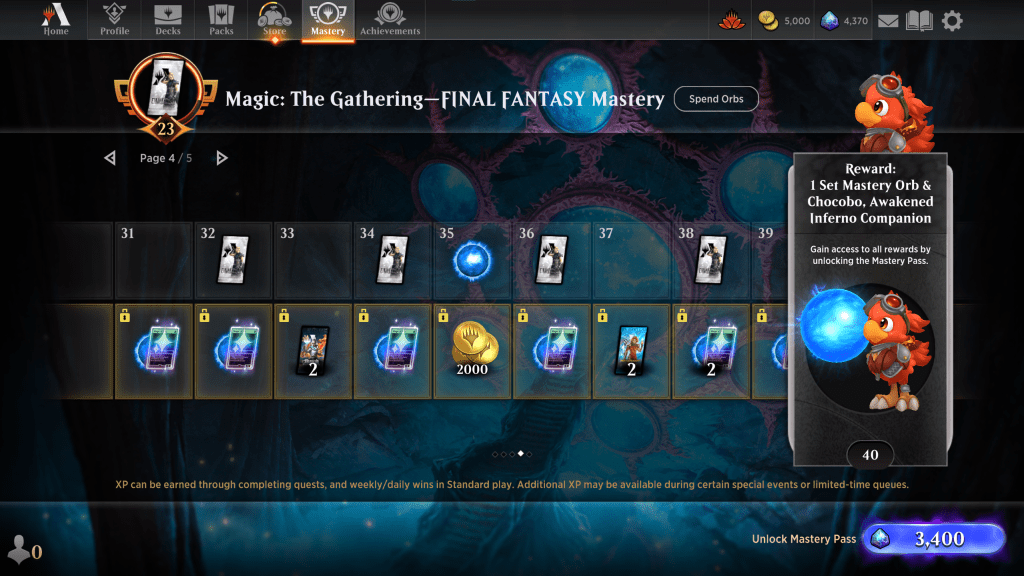
At the end of the reward track, players usually can find items that are rare or impossible to obtain. In the “Magic: The Gathering Arena,” you need to complete almost the whole track if you want to unlock an exclusive companion. Higher levels offer other cosmetics and items of the highest rarity.
Even though regular rewards aren’t very exciting, they consistently give players a small dose of dopamine and remind players that they’re actually making progress toward their main goal.
To make the system more engaging, it can occasionally provide players with a significant boost towards their goal. It usually happens after completing a huge one-time quest, which takes a considerable amount of time to finish, but offers many more points than regular quests.

Some games, such as “Sword of Convallaria,” give players a set of seasonal quests. Even though they are relatively time-consuming, their completion often lets you progress through multiple track levels at once. The time restriction is usually long enough to allow players to complete most of them passively simply by playing at their regular pace.
Consistent player base
Reward tracks are often designed to make players’ activity more consistent by basing their progression on a carefully crafted system that both encourages players to play regularly and prevents them from burning out.
Limiting the playtime
The general idea is to artificially spread players’ activity over time by limiting the maximum amount of the track’s progression that can be achieved in a set amount of time. For example, weekly quests considerably boost the progression of your track, but the finished ones won’t be replaced until the end of the week.
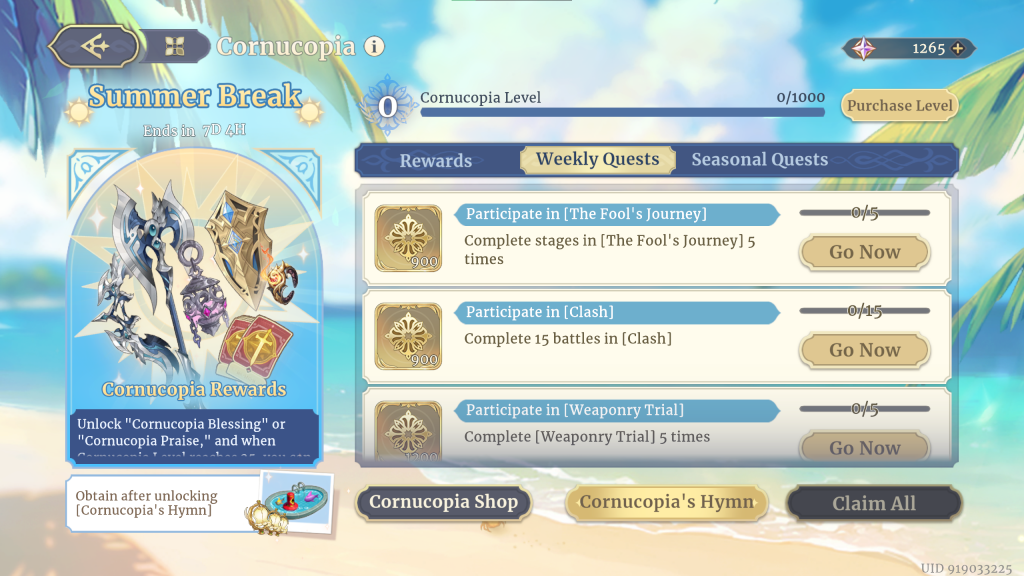
Progression gained from weekly quests is smaller than from seasonal ones, but they encourage players to play the game every week, turning it into a habit.
Such restrictions make it impossible to quickly clear the entire reward track. After completing available missions, players’ progression will be temporarily slowed, but they will still be allowed to continue playing. It not only prevents them from burning out, but also reduces the progression gaps between players who play the game casually and those who grind it for hours every day. The feeling of falling behind can highly discourage players from continuing to play the game, which is why addressing the gaps between them is crucial.
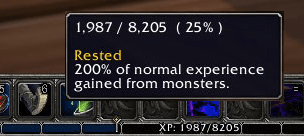
The way data is visualized matters a lot. In the past, developers of the “World of Warcraft” game attempted to discourage players from playing the game excessively by implementing an “exhaustion” penalty that reduced the experience gained by half if the player played with too high intensity. People don’t like the feeling of being punished, so testers didn’t like that change. They renamed the regular state as a “rested” state (that increases the progression speed), and presented the “exhausted” state as a regular state. Even though progression speed wasn’t changed, players felt much better. The quest system for track rewards uses similar principles – it tricks people into thinking they’re being rewarded, while in fact, it’s designed to slow down some players.
Play encouragement
The progression is often faster at the start of each season, because all quest categories (such as daily, weekly, and/or seasonal) are available, and many of them can be progressed simultaneously (especially if the quest list contains tasks like “play X matches” or “deal X damage”). This dynamic makes it initially easy to claim the rewards, making the whole system feel very generous and appealing.
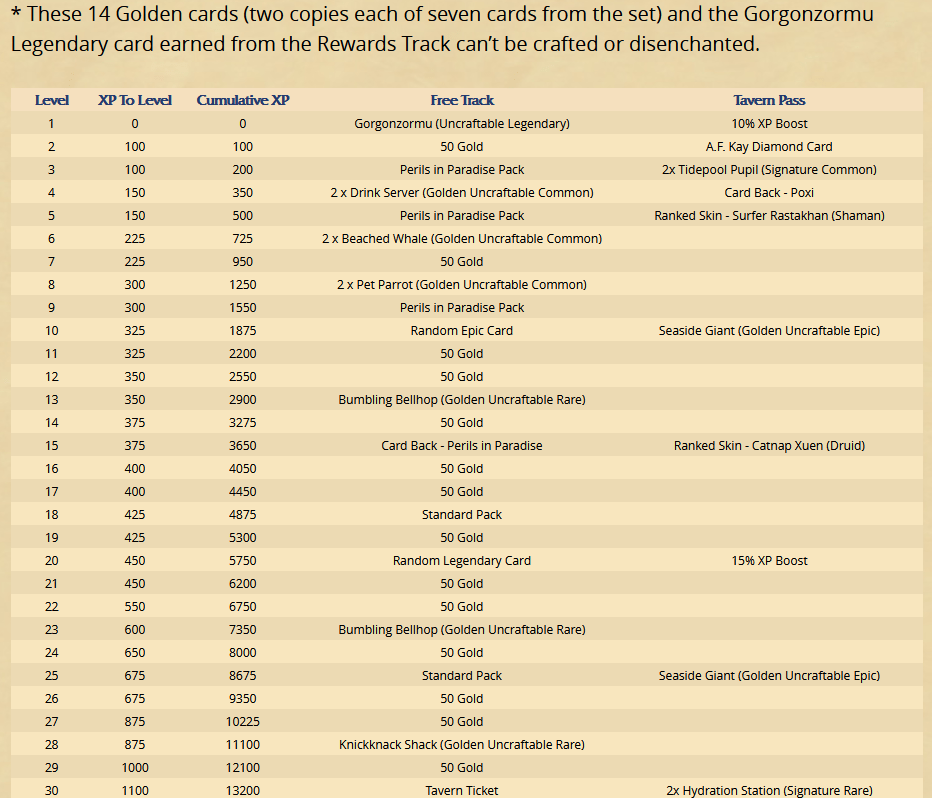
In the game “Hearthstone,” initial levels offer smaller rewards than levels 50+, but players can progress through them much faster, making the system feel even more generous.
Giving players an ongoing goal puts them in a predicament where they can either try to complete it or abandon it. In the second case, the players’ effort put towards the goal will be wasted, which could feel like we made a mistake starting it in the first place. It may trigger the sunk cost fallacy, making the idea of abandoning the task highly unappealing, especially if the final reward is very valuable and we have already dedicated a significant amount of time to it or paid for the premium pass. This is why reward tracks are often designed to be highly generous at start – they’re meant to trap the player in the mentioned predicament.
Since reward tracks are time-limited events, the fear of missing out may affect our decisions. If players neglect their quests, the final rewards may be lost forever. It’s just another variant of scarcity tactics that prey on us.
Monetization
Season passes (that give you access to the premium rewards from your reward track) are a quite unusual form of monetization – they don’t unlock all their content right away, and you have to unlock it on your own. However, the total possible value of the purchase usually greatly exceeds the value of items normally available in the store. Money-wise, the offer is great, but the purchase has another cost: your dedication and loyalty. One could say that in the case of battle passes, players are the product.
One of the perks of battle passes is that they generate a consistent income. Each pass is time-limited, and players who are accustomed to their benefits must make another purchase every season.
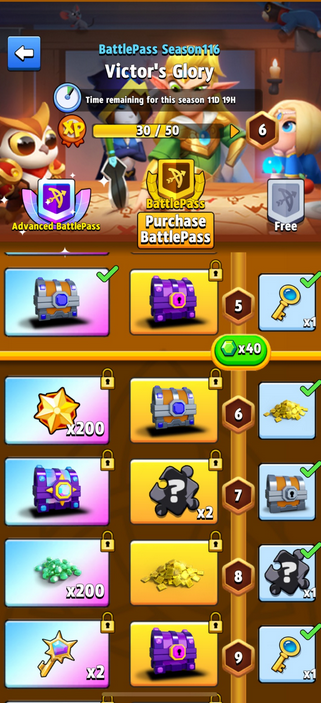
Some games (such as “Archero”) offer two types of premium passes: a cheaper one, intended to generate revenue from regular players, and a more expensive one that could earn some money from bigger spenders. Once a person is accustomed to paying for the cheaper one, they may decide to increase benefits even more by buying the expensive one.
Keep in mind that making the season pass too generous may discourage players from making other purchases.
Other benefits
Reinforcing themes
Reward passes are a great opportunity for a reward system that fits thematically current game events. For example, it may relate to recently released content or match real-world events (such as Halloween).
More control over the progression design
The temporality of quests makes them easier to plan – the quest pool isn’t expanding over time, meaning that players who will join the game after a few years won’t be overwhelmed with a gigantic list of quests. You also don’t have to worry that the old quests will give rewards that are no longer relevant. The quests and rewards are separated, allowing you to design them independently, making the project easier to maintain. It also makes the system more convenient for players, as it lets them do the quests in any order or even skip some without worrying that some rewards can be obtained only from these quests.
You can also control the exact order of the rewards players can get. For example, you put powerful items at the end of the reward track to make them inaccessible for newcomers. Other monetization solutions, such as loot boxes, may give newcomers an unfair advantage at the early stage of the game, making the game too easy and boring. Keeping the difficulty in check will make the game more enjoyable overall.
Skill progression matching the track progression
Some players are annoyed by games that let you buy an advantage without putting any effort into the game first. Since premium passes don’t give immediate rewards, they don’t sound as unfair as regular shop offers.
Additionally, even if a player wants to gain an advantage artificially by paying for it, they will have to actually play the game, meaning that their playing skill will also be sharpened as a byproduct. In other words, the correlation between account progression and the player’s skill will be improved, making the game feel more fair.
Anticipation for the next season
Although announcements of new content can be exciting, players must actually watch them to make them work. Players who leave the game long before the announcements may forget about the game, which is a potential loss of revenue. Since reward passes are designed to be completed at the late stage of the season, players will probably complete them after new content is announced, potentially keeping them interested even longer. This is one of the reasons why the progression is so restrictive – the timing has to be very precise.
 Game Anatomy
Leave a comment