As blatant as it sounds, people who play a game usually want to enjoy the process of playing it instead of studying it. The learning part can also be enjoyable, as new game mechanics and content make the game refreshing and open up a lot of new possibilities. However, if the amount of learning necessary to play the game is overwhelming to them, players are likely to pass that opportunity and will play another one instead.
There are multiple tricks for making the game learning more appealing to the players. In this article, I will list some of them and shortly describe the reasoning behind them.
Spreading the learning process over time
Just because there is a lot to learn, it usually doesn’t mean that players have to know all the rules before starting the game. There are some games that are an exception, such as “Rock, Paper, Scissors,” that end instantly after making the first move. But the longer the game is, the more spread the learning can be.
Interactive tutorials
Discovering new game mechanics has no use to players if they skip them, forget them over time, or fail to understand how they work. Many games require players to apply the knowledge they’ve just gained in practice. Players who do that prove that they’ve processed the new info and understood how to make use of it. Practicing it also makes it easier to remember it in the future, as people tend to remember things that have been useful to them more clearly.
But the main advantage of the interactive tutorials is that players who do them actually feel like playing a game, especially if the tutorials are well-designed.
George Fan delivered an amazing GDC session, explaining the process behind making the tutorial in “Plants vs Zombies” more appealing to people. It touched on topics such as making the game more intuitive and fun for people, as well as how to trick players into playing the game the way it was designed, providing examples.
Unlocking new mechanics over time
Many games unlock new mechanics over time. The initial game levels are designed to be passable without the use of such mechanics, meaning that players don’t even have to know about them, and can start playing the game without knowing what’s yet to come.
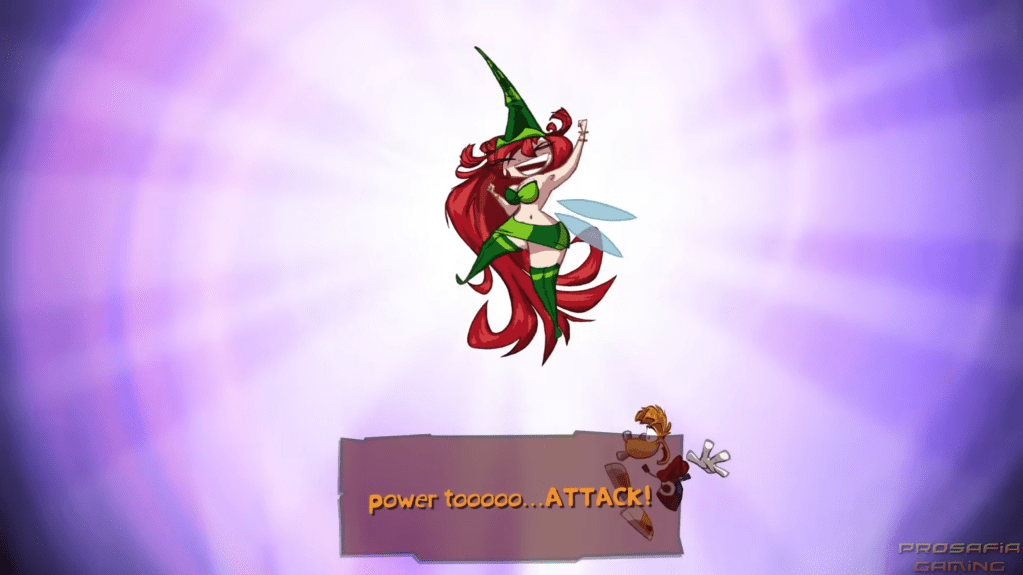
In “Rayman Origins,” you start the game with the most basic skills like running and jumping. Once the player proves themself by passing certain levels using these skills, a Nymph will give the player a new power, such as the power to attack. Now the player will have to prove he knows how to use it.
Modularity
When game mechanics can work independently from each other, they can be revealed in any order at any time. It also means that the absence of such game mechanics won’t break the game, meaning that players can start enjoying the gameplay even without knowing about them.
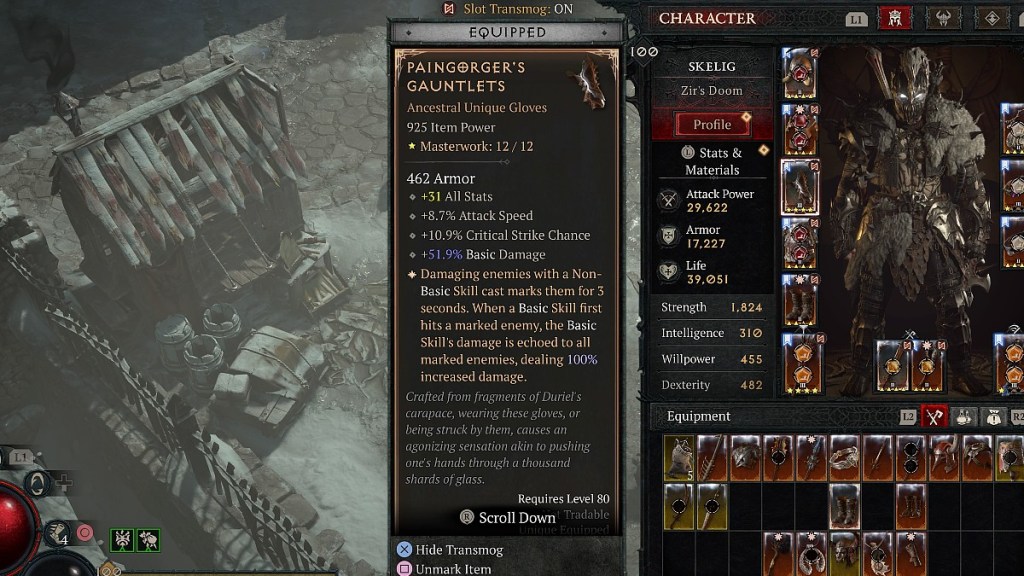
In “Diablo IV,” players can find and equip items that have unique effects, bending the gameplay in an unusual way. Such items can be found rarely, meaning that player will rarely have to study new game mechanics.
Modularity also implies that the game mechanics can be reused in multiple places, meaning that if some game mechanics are named, the description can refer to them by name, making descriptions shorter. Players will need to learn about them only once, making the learning more appealing in the long run.
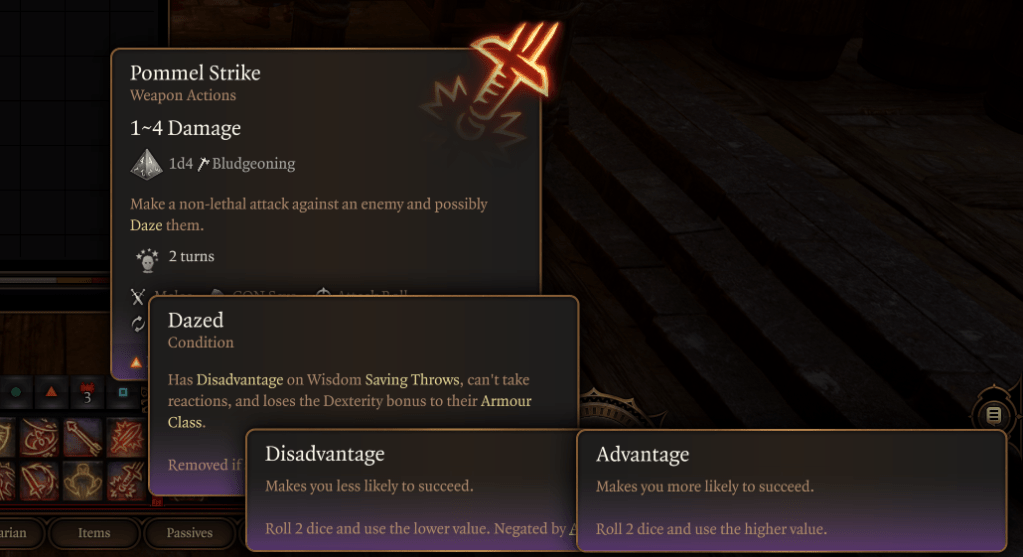
In “Baldur’s Gate 3,” players can display the tooltips to learn the meaning behind keywords. Sometimes, a keyword description may use another keyword, reusing some knowledge that the player could’ve learned earlier.
Modularity also allows players to express themself, as they can adjust the play style up to their preferences. In PvP games, you can’t control what kind of opponent you will face, meaning that each opponent may base their play style on a different set of game mechanics. If the game mechanics are truly modular, they may come up with descriptions that will let you learn them on the go.
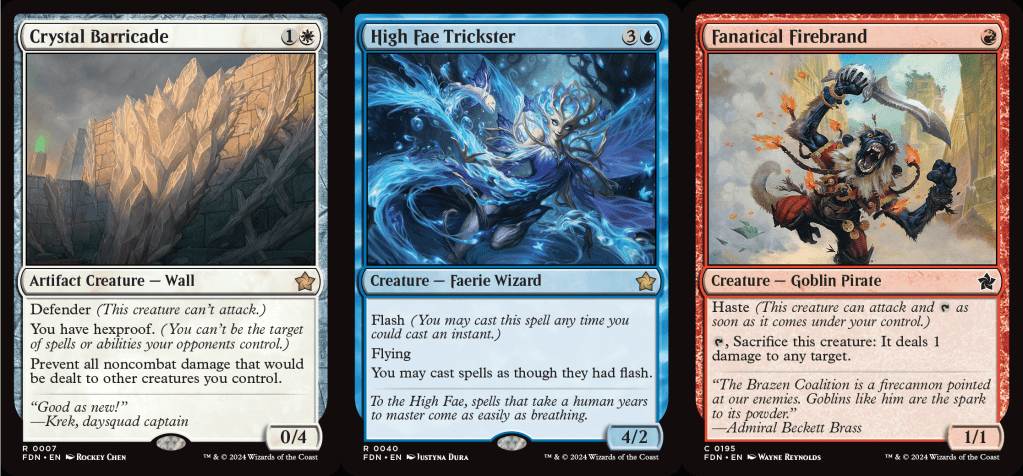
Card games (such as “Magic: The Gathering”) are a prime example of games with modular game mechanics, as each card may contain its own unique rules that can be explained directly on it. The description may even come with a rule reminder, which will let newcomers understand them without looking at the rulebook. Unfortunately, if there are too many cards, some of them may create unexpected interactions that will need some outside clarification, making it a double-edged sword.
Themes and branching
Games often have content that is divided into a few thematic groups. It sounds like a variant of modularity, but it comes with extra perks. A theme simplifies the content inside a group, making it easier to grasp. It’s easier to narrow down choices if they can be summed up with a name or description.
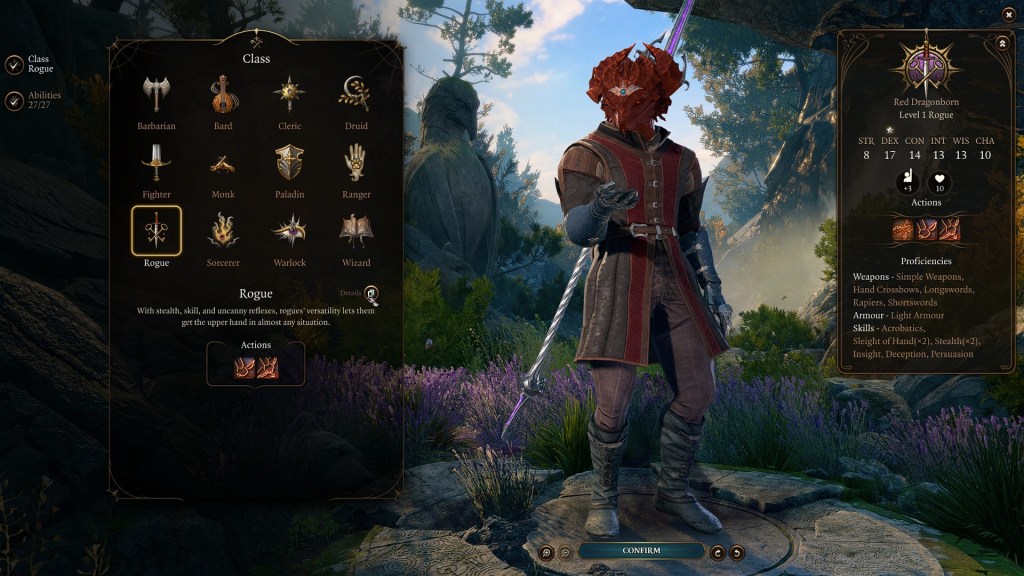
A popular example of branching the game’s content into themes is class selection, such as the one from the game “Baldur’s Gate 3.” Typically, classes in games contain a vast array of skills and abilities assigned to each one. Instead of studying them all, players can roughly predict what they can expect from each choice based on the name and description of their choice.
To make choices even easier, each branch often branches into even smaller branches, which in turn makes the choice easier by postponing some decisions. That way, players can make an easy, vague choice earlier, then make a more detailed one once they know the game better. Depending on the game, such smaller branches may serve some extra purposes.
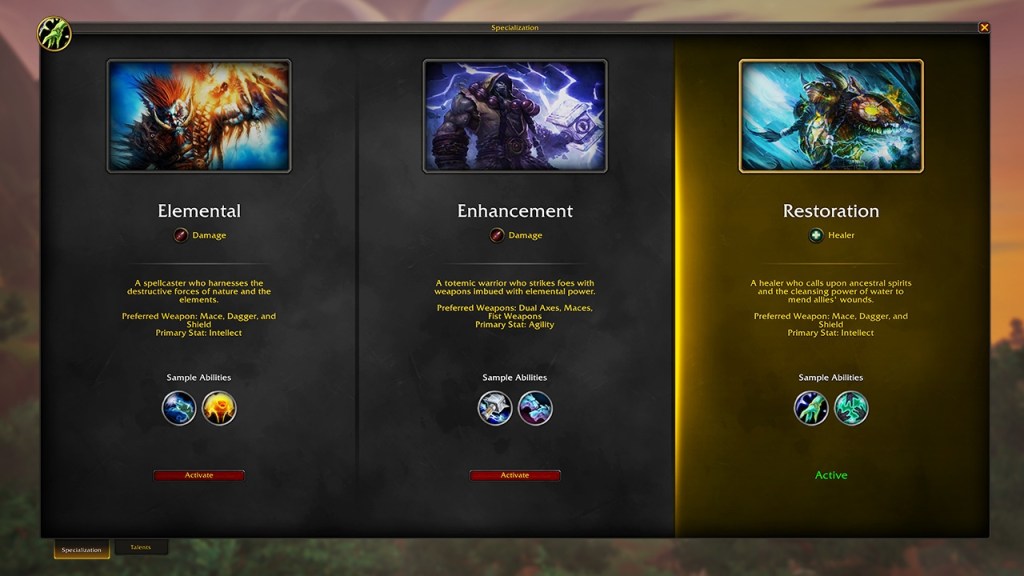
In many RPGs (such as “World of Warcraft”), each class is divided into a few specializations that narrow down the character’s play style, often allowing players to prepare for a particular role. Even though each class has access to the same core skills and abilities, each specialization may unlock access to new ones or empower particular tools from the core set.
Complexity curve
A good complexity curve makes more complicated tools less accessible than the complicated ones. That way, a newcomer will stumble mostly on tools that are easy to understand and use. Then, once players are comfortable with the core game mechanics, they get more access to more interesting tools.
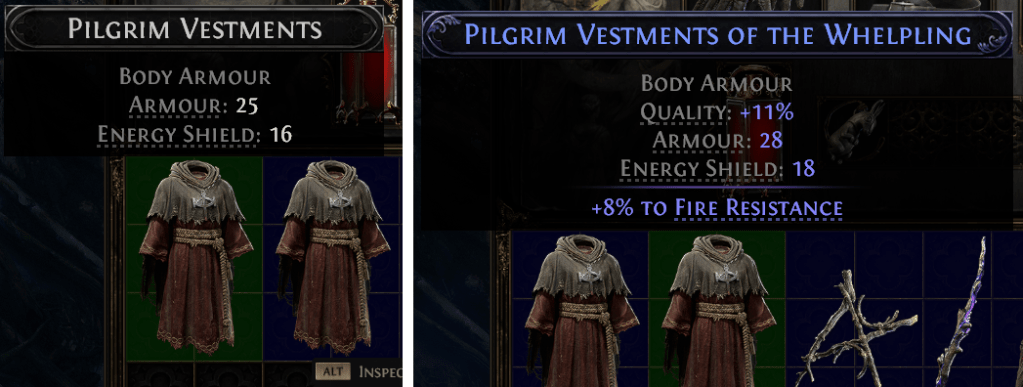
In many games, such as “Path of Exile 2,” there is a correlation between item rarity and its complexity. Common items usually have only core stats, while rarer items may contain some extra magical properties. The rarer the item is, the more properties it may have. Sometimes you may encounter extremely rare items with unique effects you won’t find on any item with a different name.
Complexity may correlate with many factors. Besides the rarity, it may also correlate with price, player’s level, or game locations. But the idea is still the same – easily accessible tools usually tend to be simple.
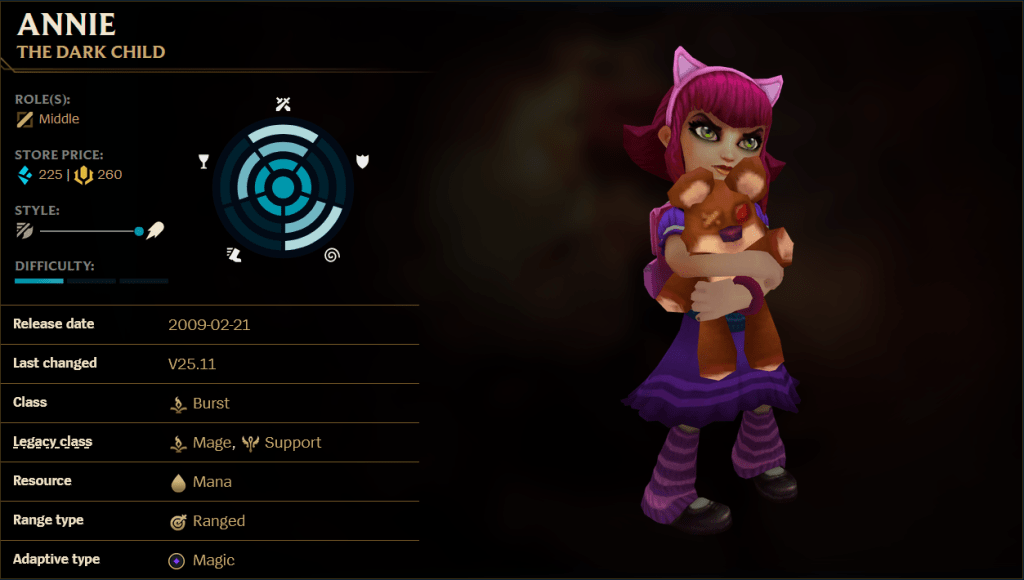
“League of Legends” is an example of a game where cheaper characters tend to be overall easier to grasp than expensive ones, making them a good choice for newcomers. Characters with unusual rule-bending abilities or unique play styles typically cost much more. The most recently released characters can be an exception to the rule, as they’re usually expensive regardless of their complexity.
Tags and filters
In some games, available choices can be marked with tags, making it easier to filter them based on our needs. After setting up the right filters, making the suitable choice becomes much easier, as players don’t have to study all unrelated options. It’s especially helpful in games that offer dozens of options.
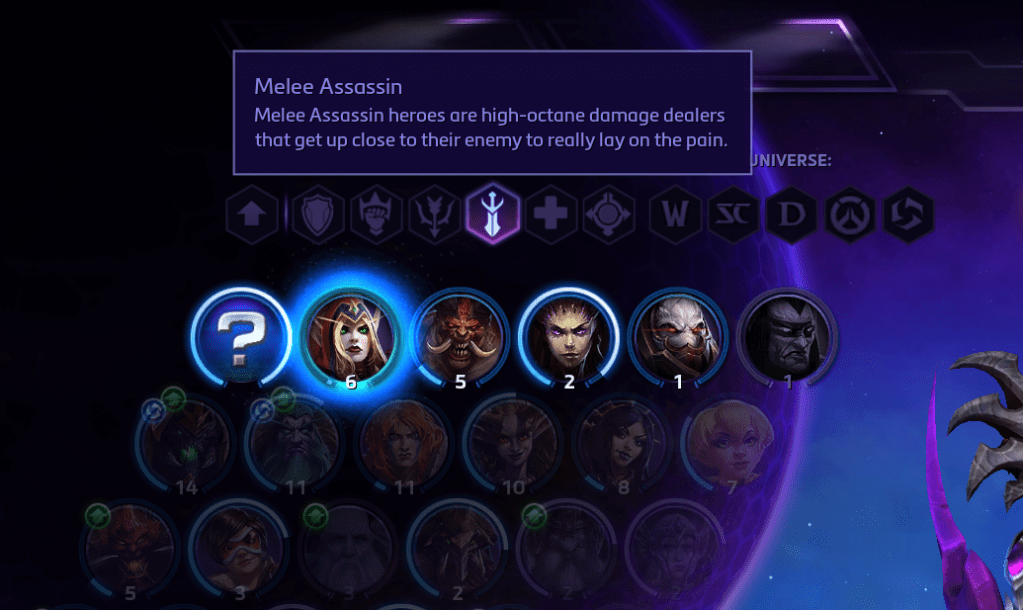
“Heroes of the Storm” is an example of a game that lets you filter the available choices by their play styles.
Other ways of making the learning process more enjoyable
Even though tutorials and hints are a great way to make a game accessible to everyone, constantly appearing pop-ups may irritate some people and insult their intelligence. In some scenarios, players may figure out the game mechanics without direct help, either by using their common knowledge or by discovering things on their own. Even if players are still learning that way, it’s more fun if it doesn’t feel like a chore.
Keep in mind that every player thinks differently, and some may struggle to figure things out on their own.
Familiarity and intuitivity
Making game elements more intuitive doesn’t necessarily mean players won’t have to study them, but it definitely makes it easier to understand them and remember how they work. The game is usually more intuitive if it resembles our real world, as it already shares some rules we already know.
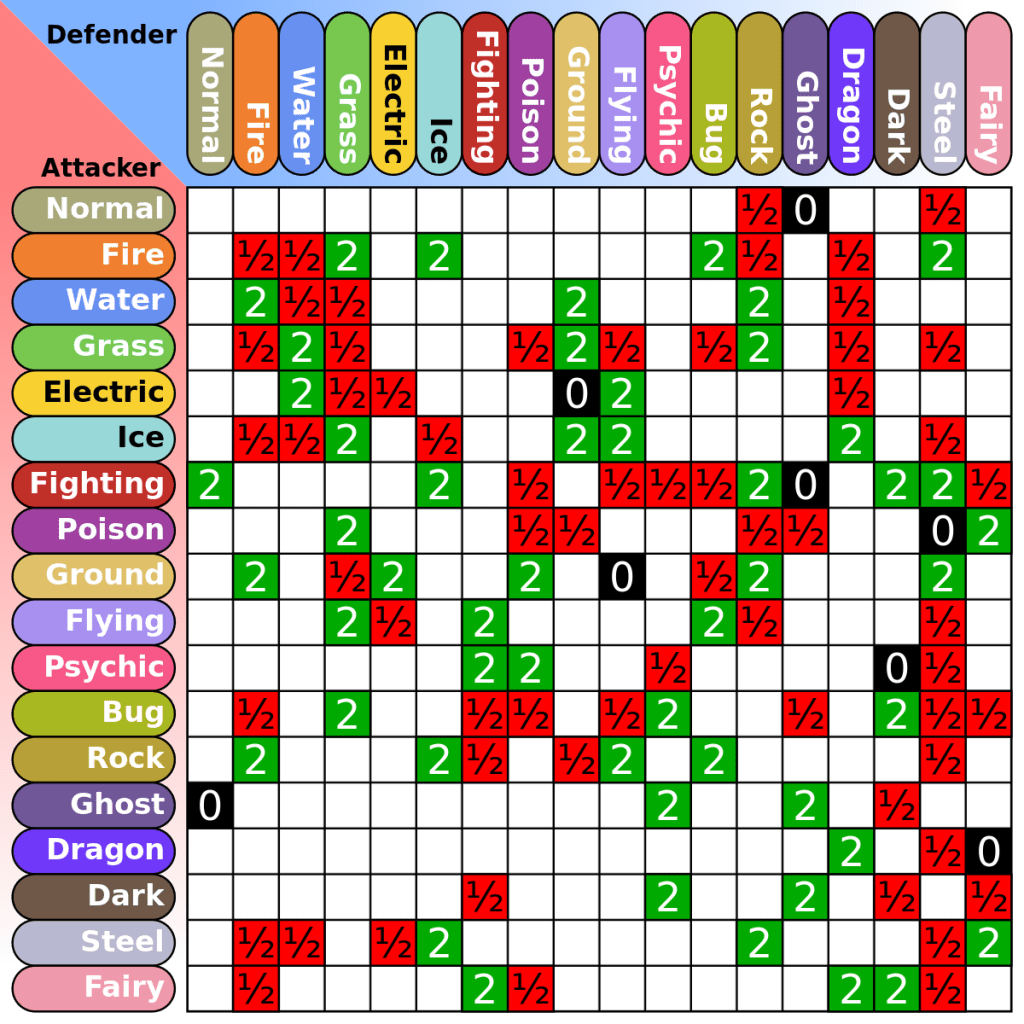
In games from the “Pokémon” series, each character has a different typing, which changes its effectiveness against certain attacks. For example, water attacks are super effective against fire enemies, but aren’t effective against the grass ones. Since most interactions are relatively intuitive, they’re slightly easier to remember, making the overwhelming complexity slightly more tolerable.
Visual cues
Some games try a less blatant approach by indirectly hinting at what players are supposed to do, either by gaining their attention or tricking them. The final goal is to let players discover the game mechanics on their own, which doesn’t feel like studying.
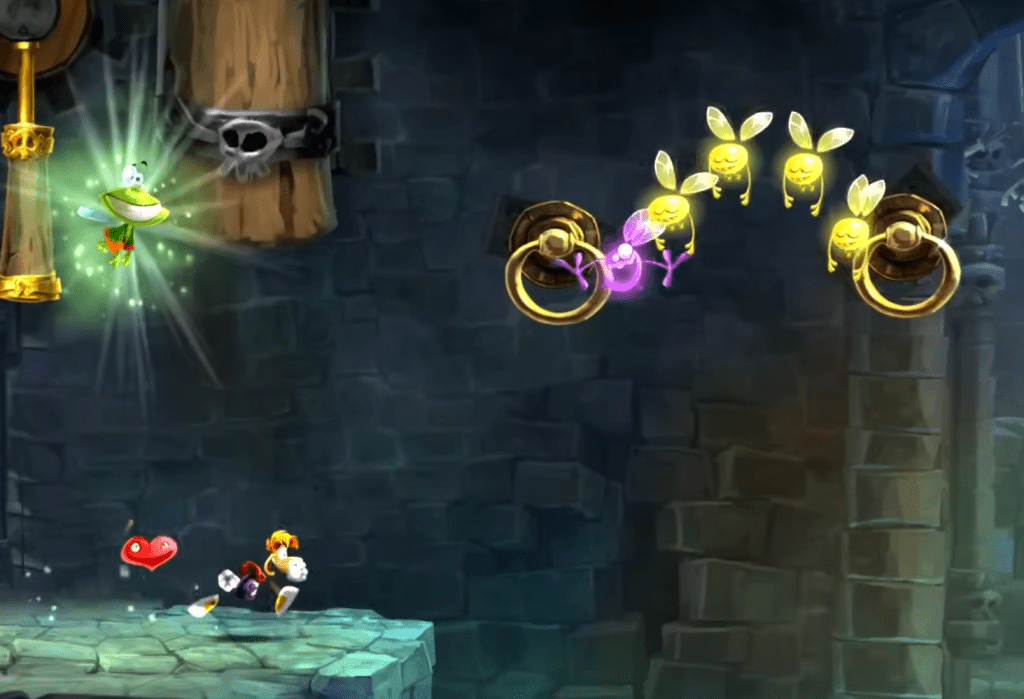
In many platformer games, such as “Rayman Legends,” developers use collectible items to trick players into moving in a particular way. For example, in the screenshot, you can see yellow “lums” which players will try to collect to improve their score. Once players try to reach them, they will notice that they can grab the ring attached to the wall and jump from it again. As a result, players will “accidentally” discover a new game mechanic.
Some visual cues are working on us on a subconscious level. For example, since people are accustomed to walking on paths, players are more likely to visit a certain area if it’s connected by a path.
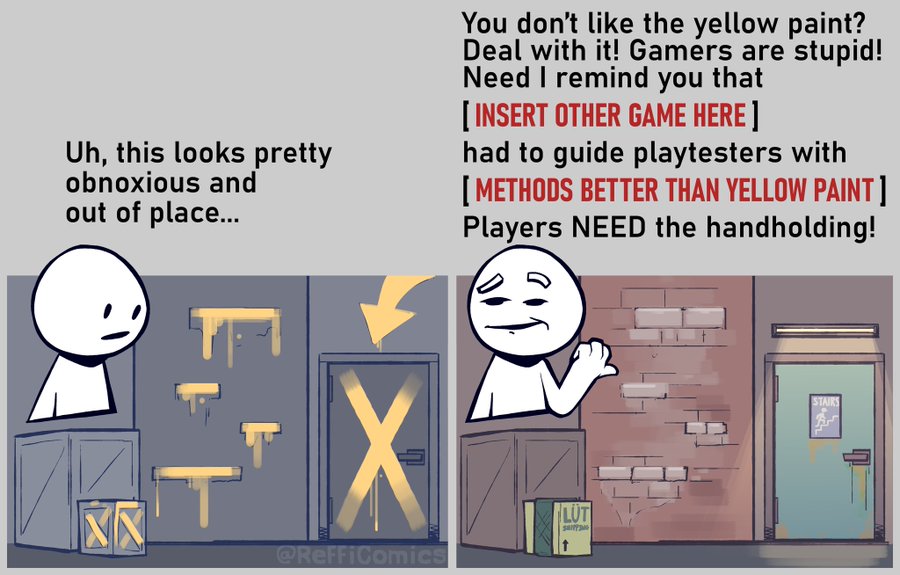
A comic created by Rock Solid in response to the growing popularity of the so-called “yellow paint” in games. Although this game design practice makes games more accessible, it has become controversial among players, as it disrupts the game’s immersion by making it feel more artificial.
Inevitable discoveries
Some game mechanics may accidentally trigger at some point. For example, in shooter games, players may accidentally miss their original target and hit an oil barrel instead, triggering the explosion. By intentionally placing the first barrels closer to the enemies than necessary, developers may increase the likelihood of such discovery, so that players can tactically use them in more elaborate ways in the future.
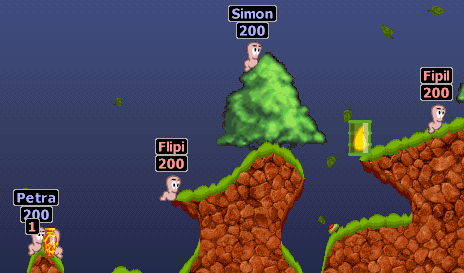
In the classic game “Worms Armageddon,” the map is not only filled with explosive barrels and mines, but players are also equipped with many explosive weapons on their own, making it extremely likely to discover what happens when they hit explosives.
Live example
A player character usually can do things that other characters can do. If it’s something useful, the player may get intrigued and try to do it on their own. After all, if an NPC can open/close the door, why wouldn’t the player character be able to do it? It may include any game mechanic, but creating a fine example may be challenging, as it may require scripting a scenario or developing complex AI.
Summary
Usually, the learning process is fun when players can learn by playing the game, especially if it can be played right off the bat. Sometimes, a few simple tricks can be enough to improve the learning process, while in other cases, coming up with the right solution may require more creativity.
Since every player is unique, developers should always test out the game with living players. Even if subtle cues may feel like an elegant solution, sometimes it’s necessary to add a backup plan, such as blatant pop-up hints or reminders.
 Game Anatomy
Leave a comment