Games usually allow players to accumulate goods that they can utilize. A simple example would be receiving currency that can be spent on in-game items. However, depending on various factors and encountered problems, numbers and game mechanics may need to be tweaked in a particular way. In this article, I will list some of them, providing examples.
Economy as a progression system
Progression can be influenced by many factors, and the economic system may be one of them. Initially, games allow players to reach new milestones relatively quickly, which is intended to create frequent doses of dopamine, making players associate the game with fulfillment. Once the subconscious association is established, the game can finally slow down.
Players who are driven by progression will enjoy the game less if they manage to reach the final milestone in the progression system. This is why games often make the best content almost unreachable for regular players, unless they grind the game for many years.
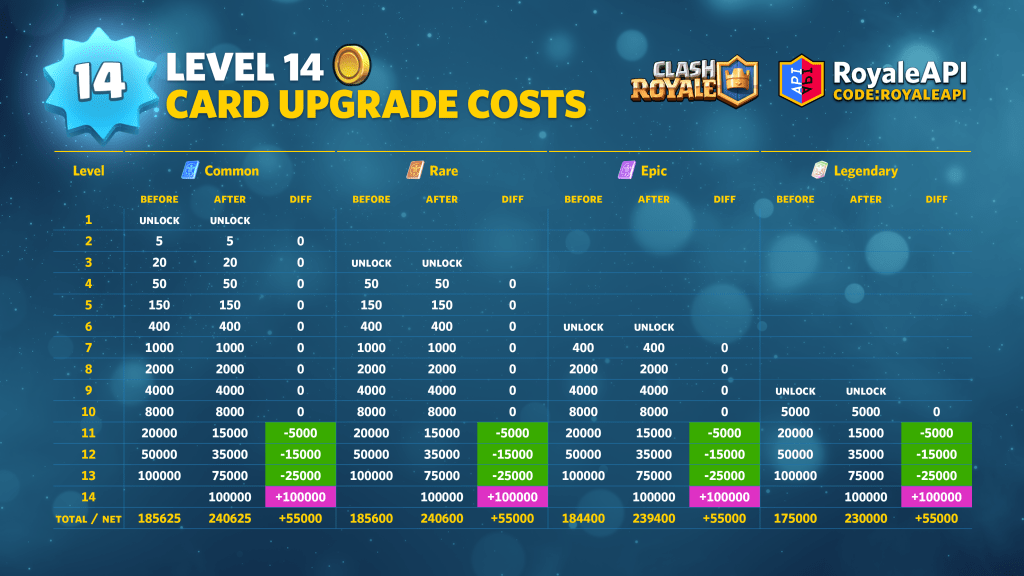
Here is an example progression table for card leveling in the game “Clash Royale.” Each new level is usually 2-2,5 times more expensive. At some point, game developers noticed that players finally started reaching the maximum levels of cards, putting their drive at risk. To keep such players occupied, developers added additional level, and also made previous levels slightly easier to obtain.
Accelerated progression
Realization that progressing to a new level punishes you by slowing down your progression doesn’t feel right. Even though the main goal of games is to make progression harder over time, good designers will try to distract players to make it less noticeable.
The most blatant way to achieve this goal is by simultaneously increasing the player’s progression speed over time. For example, if each level increases the player’s income by 60%, but reaching a new level is twice as expensive as the previous one, then it will take 25% longer to obtain (200%/160% = 1,25). It creates an extra progression layer to enjoy (improvement of players’ progression speed), which makes players feel like they’re progressing even faster.
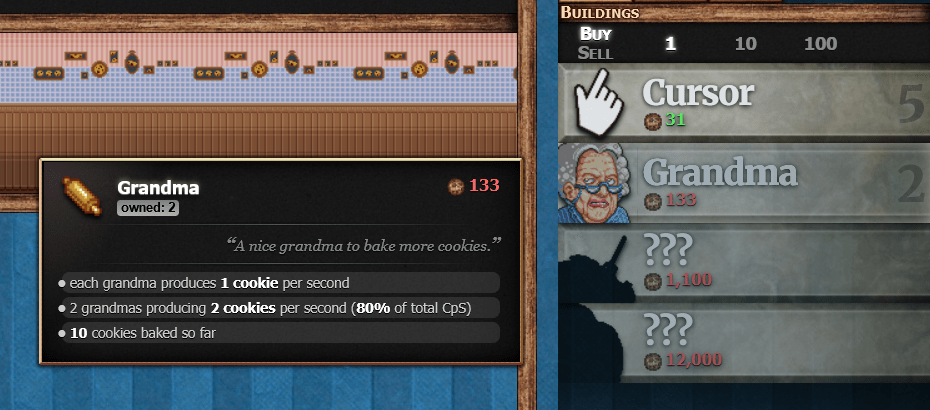
In the economic game “Cookie Clicker,” players can buy various objects to produce cookies for them. Even though each additional instance gives the exact same bonus as the previous ones, it will cost 15% more than the previous one. Even though players’ income increases over time, reaching the next milestones takes longer.
Re-specializing
If a game offers multiple builds that require leveling different tools, then players who unlocked income bonuses will be able to level up their low-level tools much faster than they did in the past. It lets players choose between one strong build or multiple slightly weaker builds. Access to a huge variety of strategies is especially important in games focused on strategic adaptivity, where relying on a single build will keep the player stuck. Many games from the auto-battler genre are a good example, as their core gameplay focuses on strategic team selection.
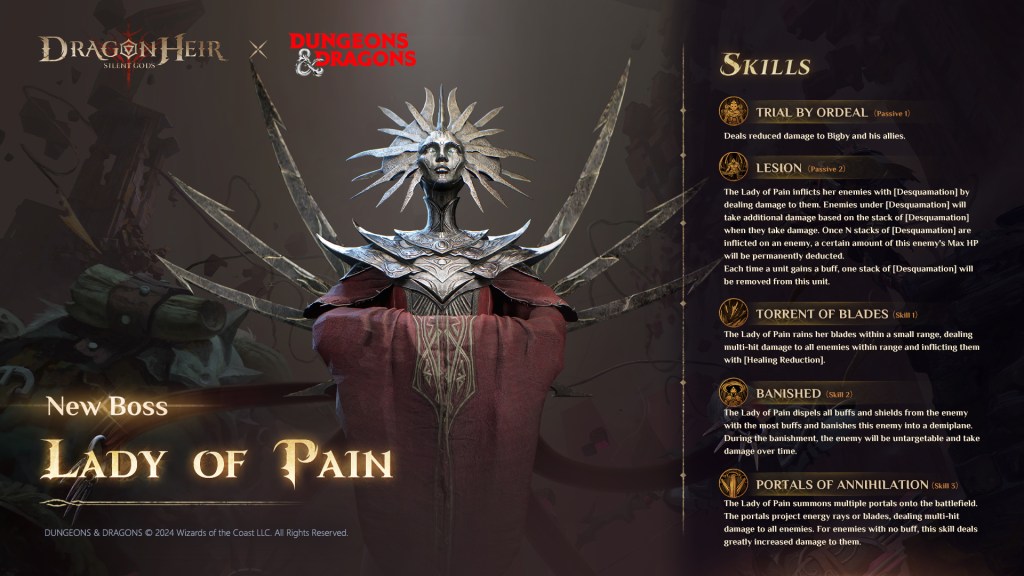
Each dungeon boss in “Dragonheir: Silent Gods” has unique abilities that make the boss less effective against certain types of team compositions. Strengths of the first bosses are blatant, such as straightforward bonuses against certain types of heroes. Further, bosses require more elaborate strategies, such as coordinating your firepower during certain battle phases or dealing with status management. To maintain good performance, each player needs at least a few different team set-ups.
Progression thresholds
Players who play progression-based games may fall into a trap of thinking that when they’re stuck, all they have to do is grind the progression of their tools until they can finally break through. While it’s partially true, it makes some people forget that their skill may also have a huge part in the results. Such people will consider the game much more “grindy” than it actually is, possibly worsening their opinion about the game.
A way of dealing with this problem is to block certain stages of progression until the player manages to succeed at a particular challenge. For example, if an upgrade requires a component that can drop only from a particular boss, then the player will be unable to progress unless they manage to beat that boss. It hints to players that the reason behind their failures doesn’t lie in their progression, but in their skill. However, keep in mind that this solution won’t fit hyper-casual games.
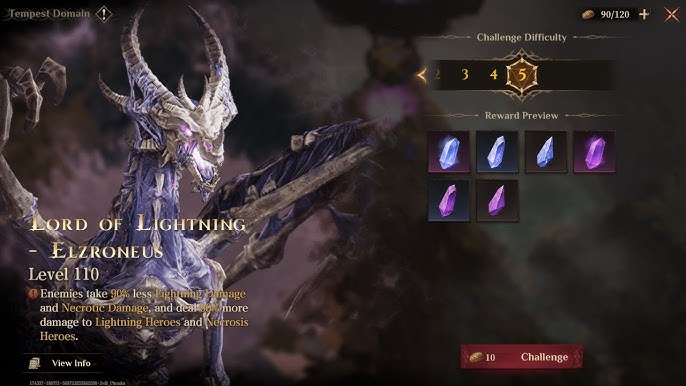
Dungeons in “Dragonheir: Silent Gods” supply players with rewards that depend on the selected challenge difficulty. The higher the difficulty, the more impactful the strengths of the boss become, making it less forgiving toward players’ mistakes. Upgrade materials of a higher tier can be acquired only above a certain dungeon level. Aside from high-tier rewards, dungeon runs also offer materials of lower tiers, making it easy for player to level up their low-level heroes even if they focus on their core team.
Such progression thresholds may also serve another role – they discourage players from exploiting the low difficulty challenges. For example, if defeating lower-level enemies is much faster than killing the regular ones, then collecting rewards may be much more efficient, even if defeating them is extremely simple and boring. Citing the famous quote of Soren Johnson: “Given the opportunity, players will optimize the fun out of a game.” It’s the role of game designers to prevent them from doing that. Restricting higher-tier rewards to the higher-tier enemies is one way of doing that.
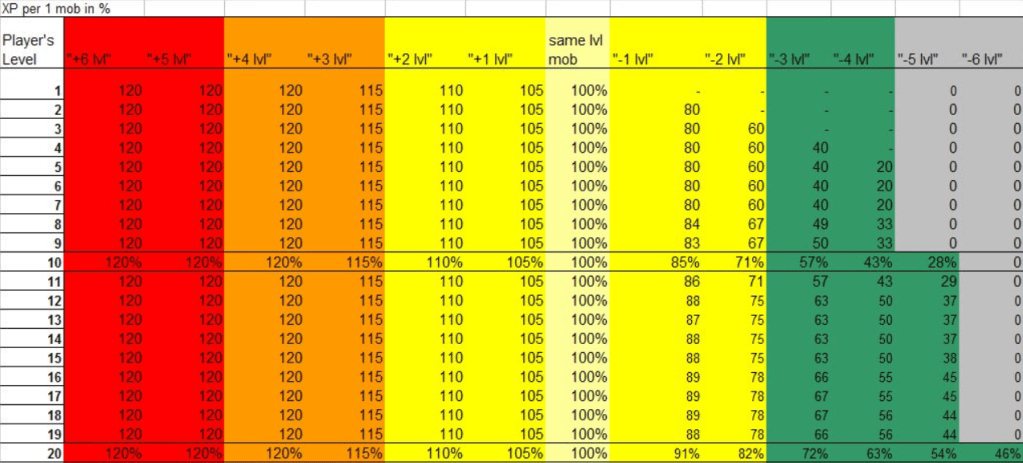
Many games from the MMORPG genre scale the experience gained from defeated enemies depending on the level difference between them and the player. In the picture, you can see a fragment of the experience scaling table from the game World of Warcraft, made by its community. The formula used in this game completely nullifies experience gained by defeating opponents who have a notably lower level than yours, encouraging players to face enemies with a similar level.
Keeping veteran players away from the low-level zones also helps to evenly spread the players over the world. It’s especially important in MMO games, where large crowds can make it difficult for players to achieve their goals if they have to compete for them. For example, an assassination quest may be impossible to complete if other players are assassinating your target before you have an opportunity to do so.
Scaling with players’ power level
It’s worth noting that challenge difficulty and its rewards aren’t the only notable factors in the progression formula. Another important factor is the player’s power level – the stronger their tools are, the more efficient they become at completing faced challenges. For example, with better weapons, players may defeat enemies much faster. Game designers have to increase the difficulty accordingly.
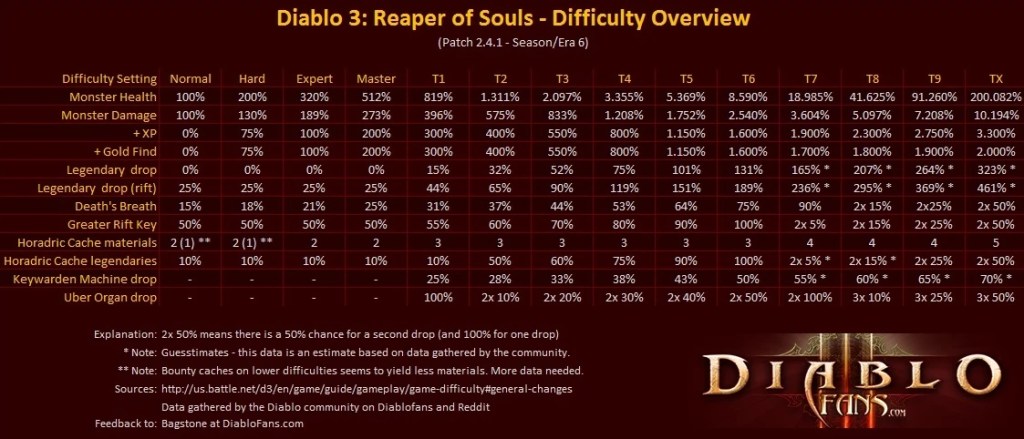
An example of a difficulty table from the game Diablo 3. Predicted player’s power level is one of the reasons why enemies’ stats increase much faster than rewards obtained from defeating them.
Pleasant learning curve
Some game items or mechanics can be significantly more complicated or difficult than others, making them unsuitable tools for beginning players who haven’t yet grasped the game. Game developers can adjust the parameters of such tools to purposely make some of them less likely to be obtained by new players than other items. In some games, this is achieved by adding specific conditions, such as restricting particular item drops to certain levels, enemies, or quest lines. As a result, beginners will acclimate to the game more easily.
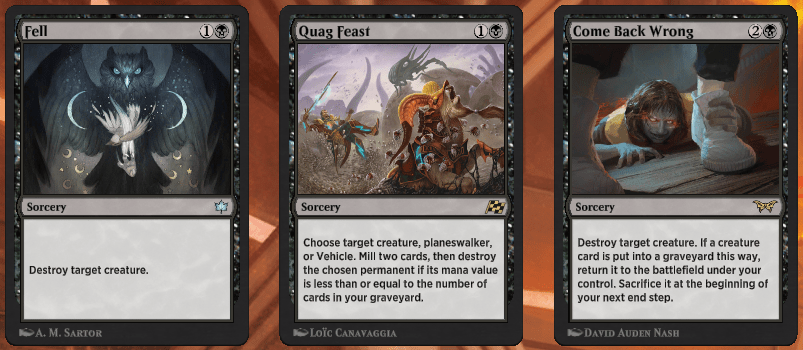
In some games, creating a proper learning curve may be more challenging than in others. For example, people who create collectible games can’t predict how experienced their players are, making it more difficult to adjust the learning curve. In some card games, such as “Magic: The Gathering,” cards are divided into several rarity categories, and common cards are usually designed to be much simpler than their rarer alternatives. That way, players who start the journey will find mostly cards that are easy to grasp.
Currency types
Games often offer different types of currencies, depending on their goals.
Premium currency
One of the most popular game currencies is a premium currency that can be obtained mostly by paying real money. Some of the game content can be bought only with that currency, to persuade players into paying cash. To please free players, games often also offer a little income available for everyone, to reward loyal players. It usually takes weeks or months for regular players to collect enough premium currency to buy anything.
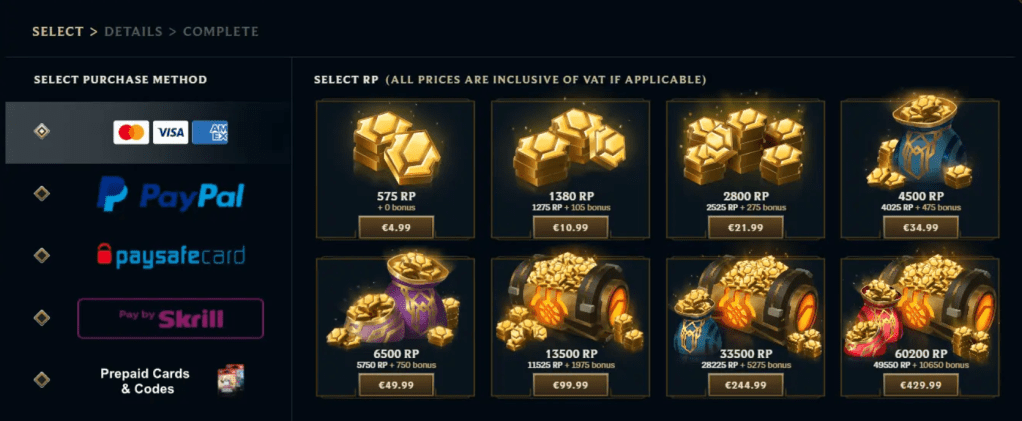
In “League of Legends,” you can buy a cosmetic skin of your choice for a premium currency. F2P players can also obtain skins by playing, but they’re restricted to random skins dropped from the loot boxes.
Another reason to separate normal currency from the premium currency is the legal requirements for purchases. For example, China has enforced a law that requires games to provide the probabilities of each random reward obtainable from purchases made with real money. If, for some reason, game developers don’t want to reveal probabilities behind certain purchases, these purchases shouldn’t be accessible with premium currency.
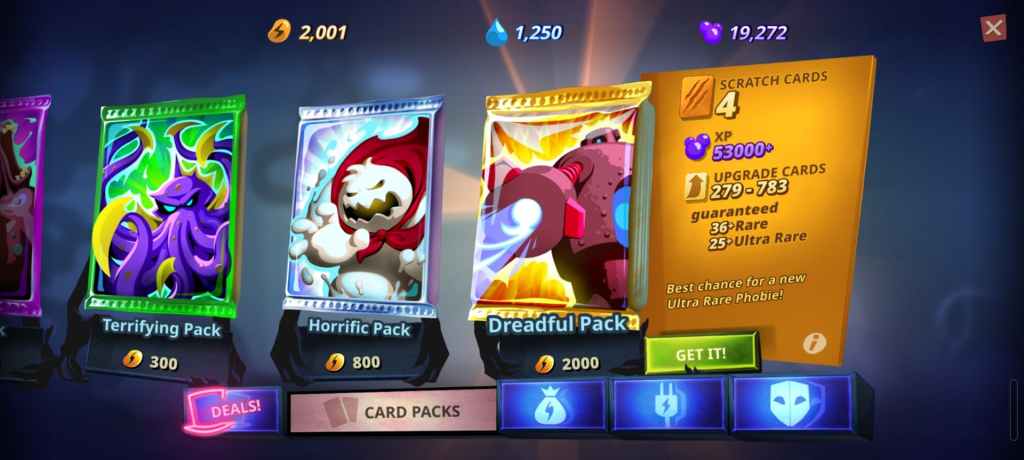
In the game “Phobies,” players can see a short description of the pack’s content, but they can also press the info icon to open the website containing more details about this purchase. Only packs priced with a premium currency have such details – regular packs have only the short description, hiding the truth away from players. If developers could, they would probably hide the truth about the premium packs as well.
Conditional currency
Players who hoarded a lot of in-game currency are often able to buy new products instantly after their appearance, without the need to play the game. If game developers want players to play regularly, they should reduce the probabilities of such scenarios.
One common solution is in-game events. During the events, games usually offer an event currency that can only be received during that particular event, meaning it cannot be hoarded beforehand. Since every player has to collect it from scratch, the online player base is more consistent during the duration of the event.
Currency can also depend on other conditions. For example, some games may have separate currencies for PvP activity and PvE activity, making related items a proof of players’ achievements in that field. If different games’ content rewards players with different kinds of currencies, players will have to progress through many kinds of content if they want to unlock everything they need.
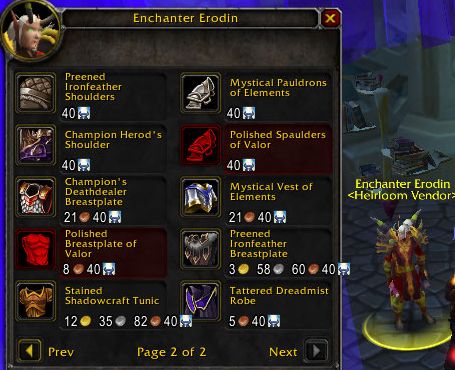
In the game “World of Warcraft,” items sold by vendors may require currency unique to their region or type of activities. Some items were even locked behind the reputation system, which unlocked access to these items only if the player did enough favors for that vendor’s faction.
Item currency
If the game allows players to trade items for other items, then each item can be treated as a currency. It makes the currency a multi-purpose one, making the game feel more interesting and flexible, but it may also feel unnecessarily complex.
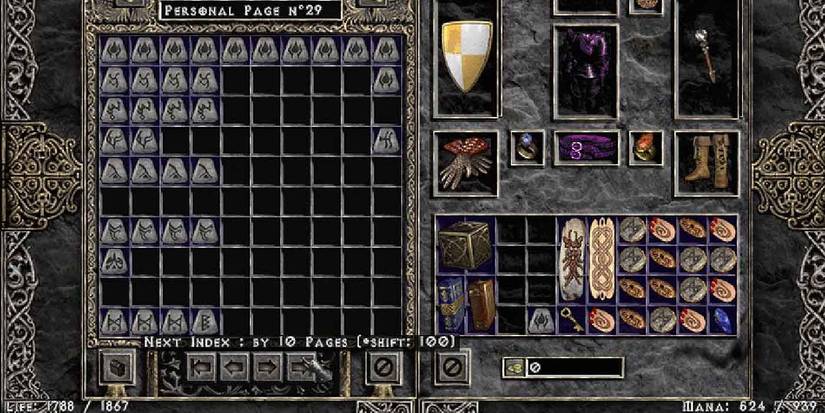
In the game “Diablo 2,” players lost up to 20% of their gold upon death, making it an unreliable currency. Treating items as currency made players’ wealth more persistent. People usually traded with runes, which could be combined to create even rarer runes that could be sacrificed to greatly enhance their equipment.
Crafting materials
The role of crafting materials heavily varies from game to game. For example, in some games, they are often meant to add a layer of realism to the game, making it slightly more immersive. The relations between materials may create a complex and interesting system that can be explored in a non-linear way.
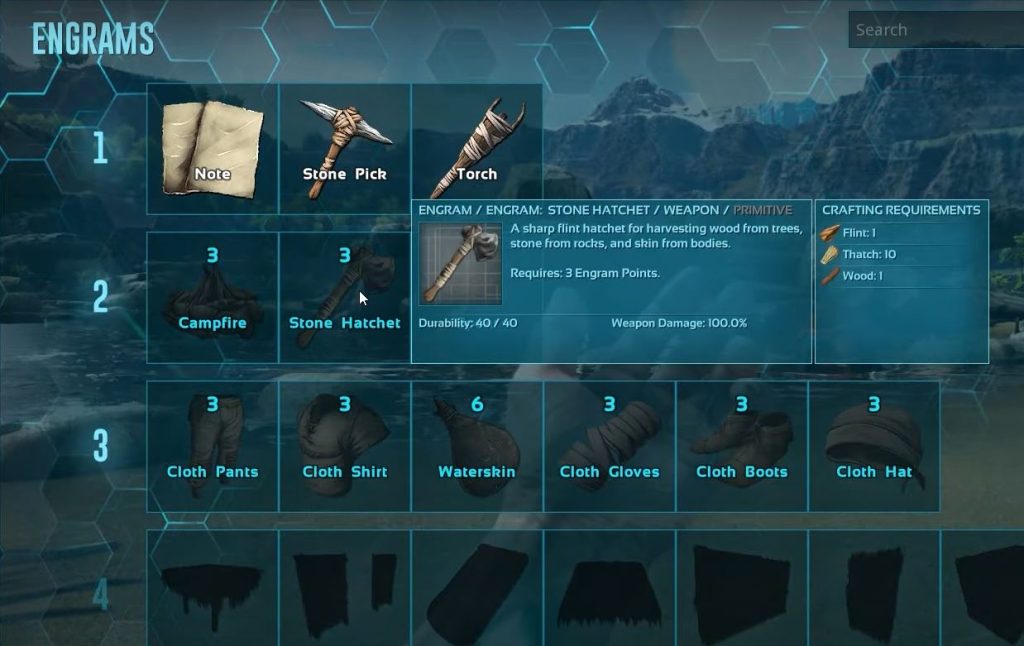
In survival games, such as “ARK: Survival Evolved,” different items serve a different, often unique role. Access to an item often opens new possibilities. For example, a forge may be a step toward more advanced metal equipment.
Since different crafting materials have different sources, players usually need to adjust their gameplay to supply them. For example, getting cooking ingredients may require gathering or hunting, often in unusual places. It not only adds variety to the game but also may give players a purpose and guidance, as they will get a rough idea of what they should do to progress the game further.
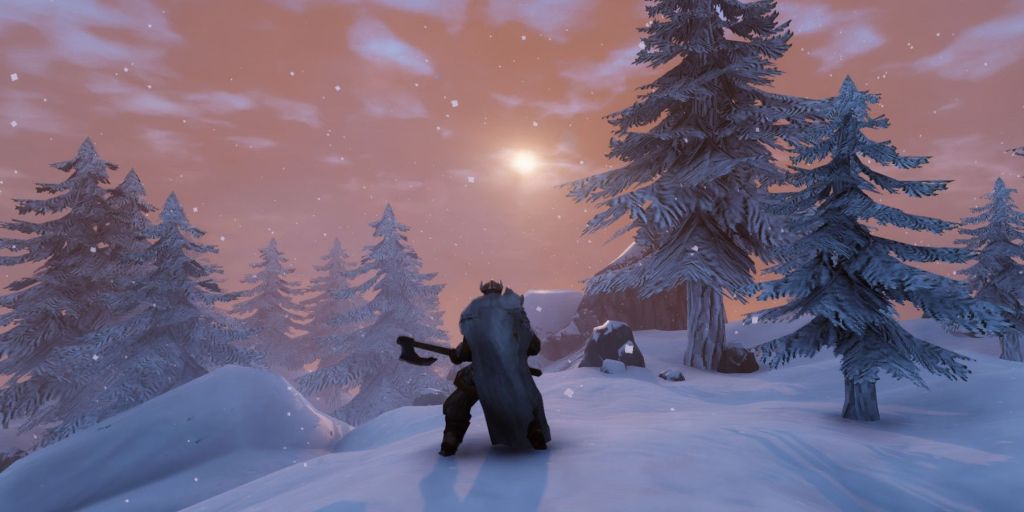
In the survival game “Valheim,” players may discover many different biomes. In the mountain biome, players encounter a harshly cold environment that will slowly kill them from frostbite. To access this biome, players have to improve their cold resistance, for example, by creating warm fur armor from the hunted wolves.
Games focused on process optimization often challenge players to find the most efficient way to process resources. It turns that part of gameplay into some sort of a puzzle.
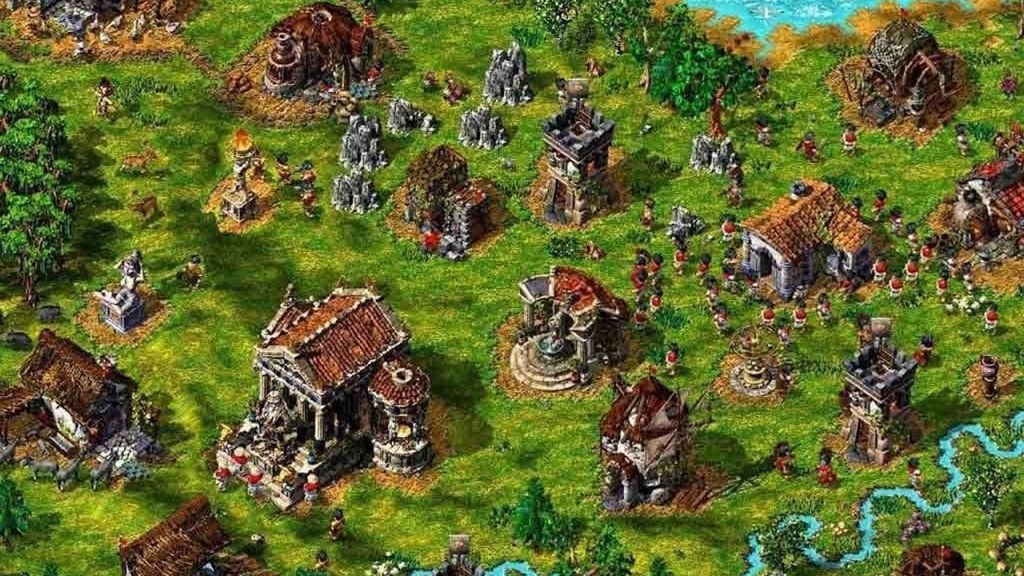
Games from “The Settlers” series are real-time strategy games that place a significant emphasis on the economic factors of the game. Players not only need to wisely choose the buildings they build, but also need to place them in a way that lets citizens efficiently carry processed materials to locations that need them.
Crafting materials are also great for letting players customize their experience and fill the gaps that they desperately need to fill. For example, a player who failed to find decent equipment during their playthrough may create one themselves.
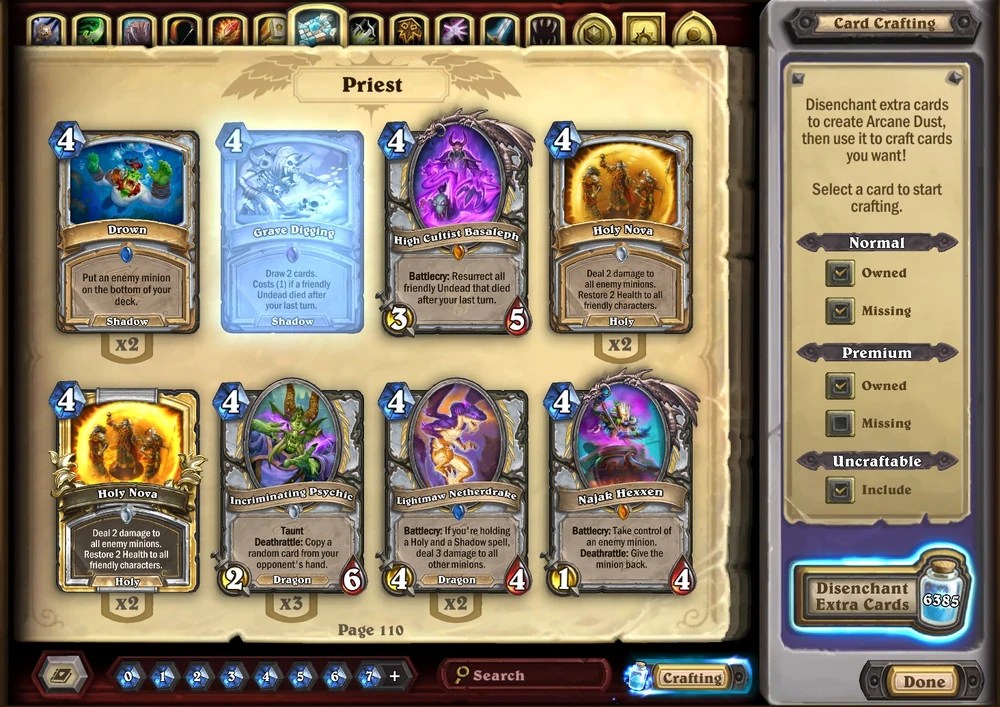
In many collectible card games, players are able to turn cards they don’t need into crafting materials. Since these games depend on packs filled with random cards, finding the cards you need is unlikely, and the option of crafting the few missing cards is a lifesaver.
Zone control
Resources are the key element of many competitive strategic games, as they increase the importance of zone control. The more terrain a player controls, the more resources they can collect, giving them an advantage over opponents. However, spreading their defenses over a big territory makes it more difficult to firmly defend it, creating an opening for unexpected power swings.
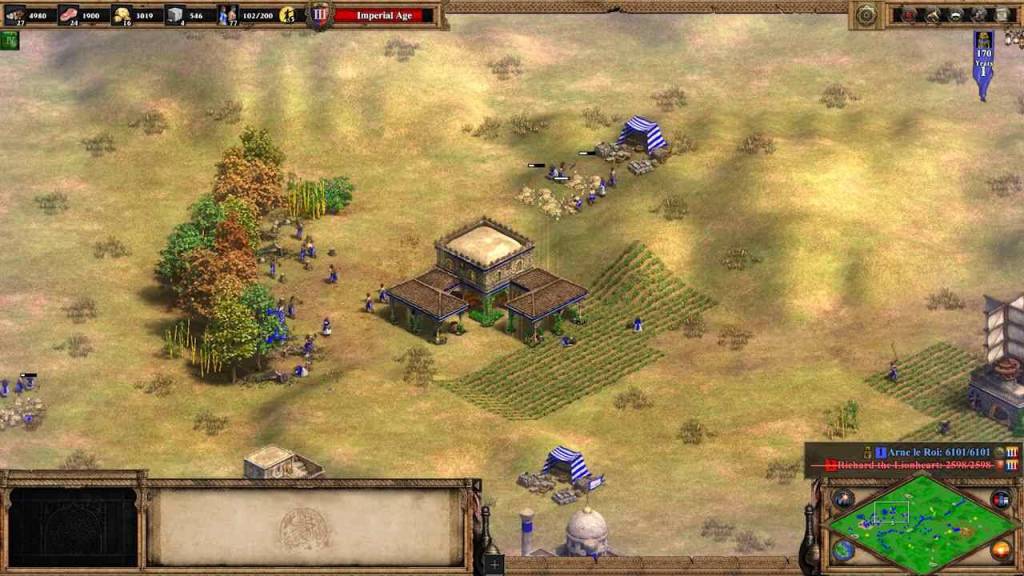
In “Age of Empires 2,” resources are spread all over the map. Players may create more workers and build appropriate structures next to their deposits to greatly increase their own income. However, such investment also puts them at a great risk, as they’re unlikely to defend well in locations far away.
Sometimes, resource types have a more meaningful strategic role, and designers may use them to limit the strength of certain strategies. For example, if defensive structures require stone materials, generating maps with low stone density will make it harder for players to heavily bunker up with stationary walls and towers, leaning the gameplay toward more interesting mobile units.
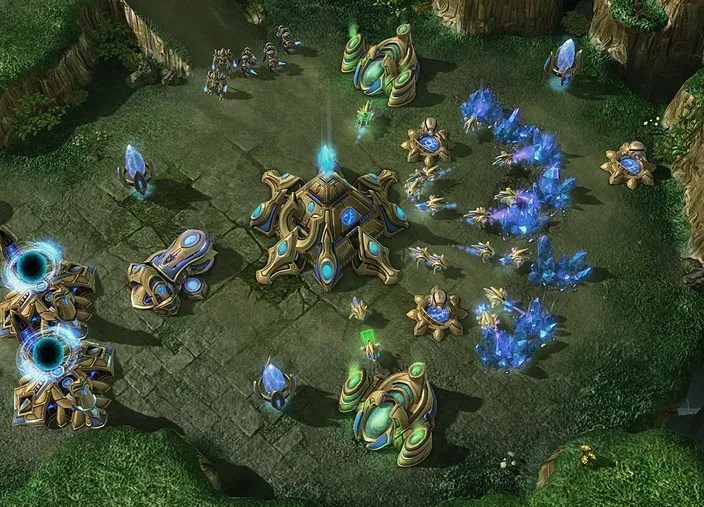
In “StarCraft 2” there are only 2 types of resources – minerals and gas. Each resource location contains a mix of both. Units that are heavily specialized (such as flying units or casters) usually cost a lot of gas, while more basic and generic units usually cost mostly minerals. This relation encourages players to mix them both together, adding more variety to the army they control. It also means that cheesing the game with a single unit type is less viable, which may prevent potential unbalanced edge cases.
Combating inflation
Games that include resource/currency production may begin to struggle with inflation, especially if these never leave the circulation. High inflation means that wealth loses its value and meaning. In trading-based games, it creates another issue – once veterans accumulate wealth, newcomers will have a hard time getting into the game’s ecosystem, as they will be unable to trade with others.
Consumables
Some items can be used only once. Potions and food items are the most popular example – they disappear from the inventory the moment you use the, removing them from circulation.
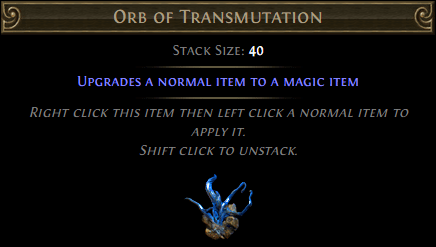
In the first “Path of Exile,” there were no normal currency, and players relied only on item currencies. There were dozens types of currency, where each one was a consumable, used for different needs. If value of currency dropped due to the inflation, sacrificing it for its special effects was a better choice, and also remove that item from circulation.
Recycling redundant items
Gacha games due to the nature of huge rarity disparities often bombard players with redundant items. As mentioned earlier, some of them let players turn them into crafting materials, giving them a better purpose.
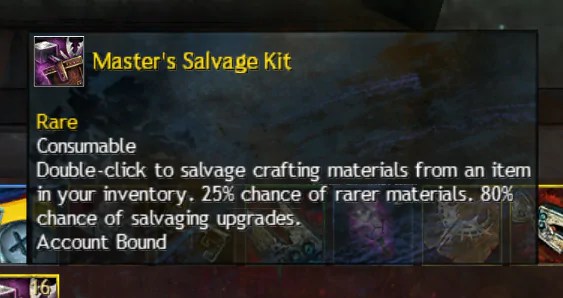
In “Guild Wars 2,” players can use salvage kits to convert redundant items into crafting materials. But there is an interesting twist: they also receive essences of luck, that can be consumed to permanently increase the odds of finding magic items. That way any item can contribute to player’s future progression.
In games based on upgrade systems usually another solution is used – players are able to merge duplicates into a stronger version of the sacrificed item.

In “AFK Arena,” players can merge their collected heroes according to certain rules. Each ascendance increases the maximum character level, notably increasing that character’s potential. Player has to face interesting dilemmas, as he may have to sacrifice his most promising heroes to boost another one.
If some item starts flooding the market, diminishing its value, game developers may deal with this problem by creating crafting recipes that consume huge amounts of these items to create something more usable.
Maintenance and fees
Some games try to remove currency from circulation by implementing systems able to regularly reduce player’s wealth. One of the examples is losing part of your character’s wealth on death – it’s simple to understand mechanic, but it lacks consistency, and usually affects veterans the least, even though they’re the ones who are the wealthiest.
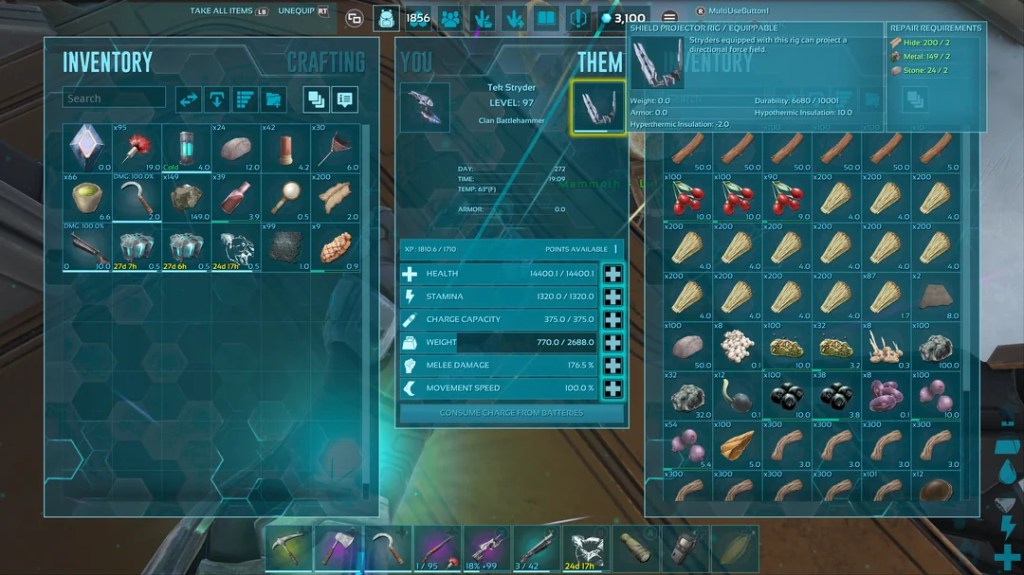
In the game “ARK: Survival Evolved,” items lose durability each time you use them, meaning that they’ll have a limited number of uses. Players may pay part of item’s initial material cost to repair it. Another mechanic that destroys items is spoiling mechanic: food and drink stacks slowly spoil, one item in stack at time. Since each stack can hold a limited number of items, the more food you have, the more stacks you have, and the more items will be spoiled at once.
Trading
Trading is definitely the most tricky part of the economy balance, as players may be hard to predict. They’ll often try to exploit the system as much as they can, often creating bots or hacks that would let them flood the market.
Auction house
Auction houses are a neat way of automatizing and securing transactions between players. Unfortunately, if something becomes too convenient, it may diminish some other positive values, such as socialization between players, or difficulty of gearing your character up.
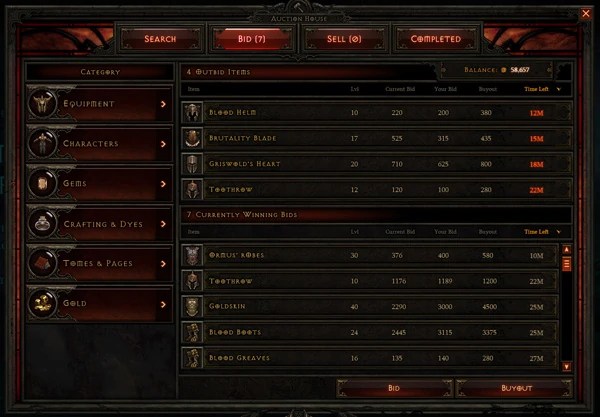
In the past, “Diablo 3” had implemented an auction house that let players safely trade with each other. Thanks to all the filters, finding the perfect item for your character was extremely easy, almost completely diminishing the value of items looted from defeated enemies. Eventually, developers decided to remove this feature from the game.
Bots
Some players may try to profit from the game by using bots to accumulate resources and then trade them away to other players for a real-life currency. It creates 3 potential issues:
– bots that try to interact with environment may cause a distaste among other players, as it means game is poorly protected against such exploits; additionally, players will start to question the popularity of the game, as they may suspect many players to be mindless bots
– bots that automate auctions may outperform regular players, instantly buying out good offers, and forcing players to pay more for items that they would normally do
– bots may cut out some potential revenue from developers, reducing their profits
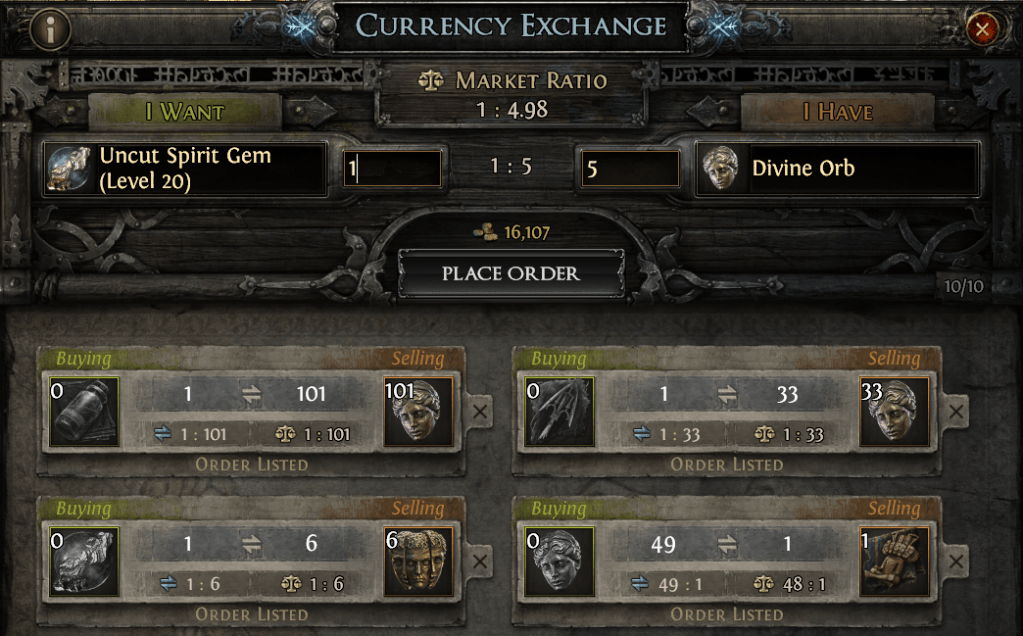
In “Path of Exile 2,” players can use “Currency Exchange” system to trade currencies with other players. Such feature becomes available only once player reaches Act 4, which I consider difficult enough to prevent bots from accessing that feature. Each player has only 10 commission slots, which means that an automated bot will perform at a slow pace, using only a few out of hundreds available currencies. Additionally, each commission requires paying a fee with gold, that can’t be obtained from trading with players, meaning that players have to actually play the game if they want to earn enough gold to use the trading system.
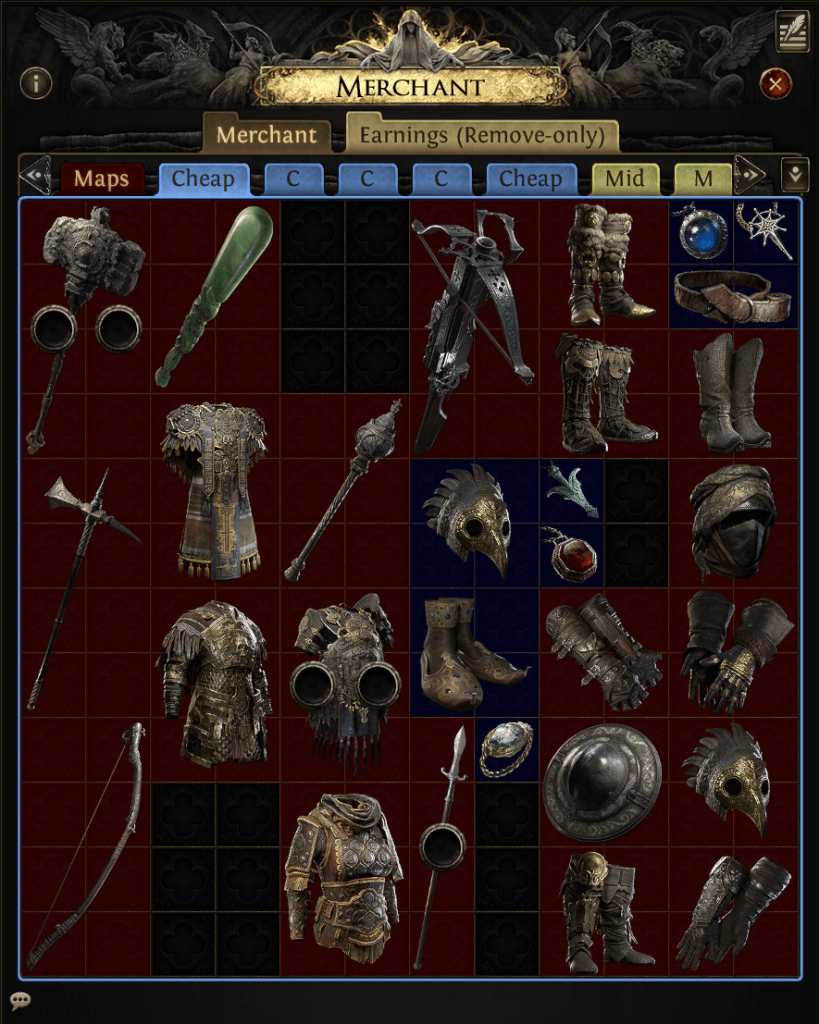
When “Path of Exile 2” players want to trade non-currency items, they can use Merchant Stash Tabs to put their items on sale for a price of their choice. Analogically to the Currency Exchange, players are heavily restricted by the free space and huge gold fees. To maximize profits, players should put here only items that are most likely to be sold. Due to the dozens of potential item stats combined with each other, assessment of item’s value may be difficult. Additionally, players can set up their own stash tabs only if they buy them with the premium currency, meaning that the more you want tabs to trade, the more you have to pay developers.
Summary
Economy ecosystem in game is quite complex that may have many perks and drawbacks. Solutions should be chosen basing on the type of game they’ll be used in, and sometimes should be influenced by the type of audience the game is meant to target.
 Game Anatomy
Leave a comment