Every game serves a different role. Some games are meant to be completed once, some to be replayed, and some to be played as long as possible. There are many ways to increase a game’s longevity by keeping players playing, and in this article, I will list some of them, providing examples.
Give players a goal
People are goal-driven – they’re much more likely to commit to something if there’s a goal they can accomplish. Since everyone has unique interests, the more potential goals available, the more likely players are to keep playing the game. But what can be a goal? Almost everything. To name a few:
- Finishing the story
- Completing collection
- Reaching the top of the leaderboard
- Trying out all game mechanics
- Mastering some gameplay styles
- Letting creativity out
- Finding easter eggs or exploits
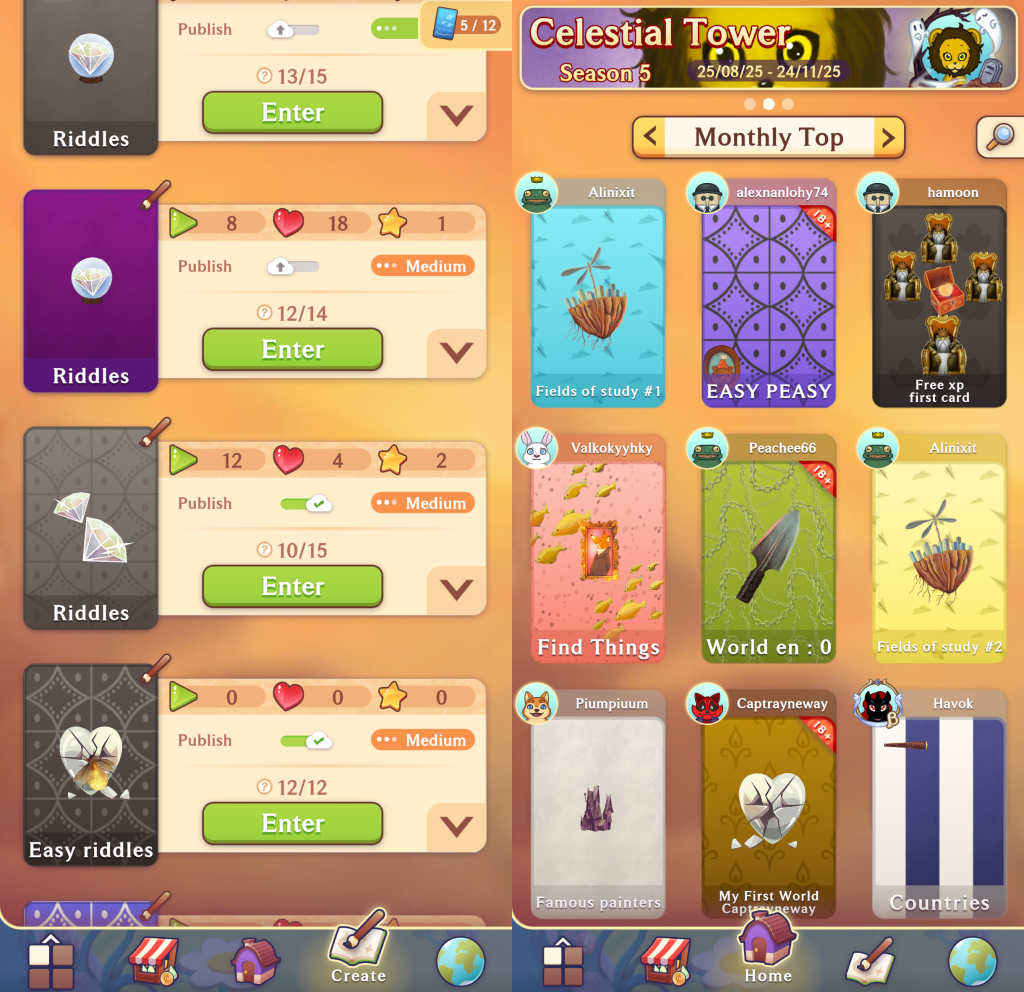
In the game “DixitWorld,” players can create sets of image-based riddles for other players to enjoy. Each player may approach their creation differently – some may simply want to be creative, while others may challenge themselves to create a set that could become popular and highly rated.
Once the player’s goal is reached, a part of the fun is over. To keep players engaged, games usually try to extend the existing goals even further, refresh them, or give alternative goals.
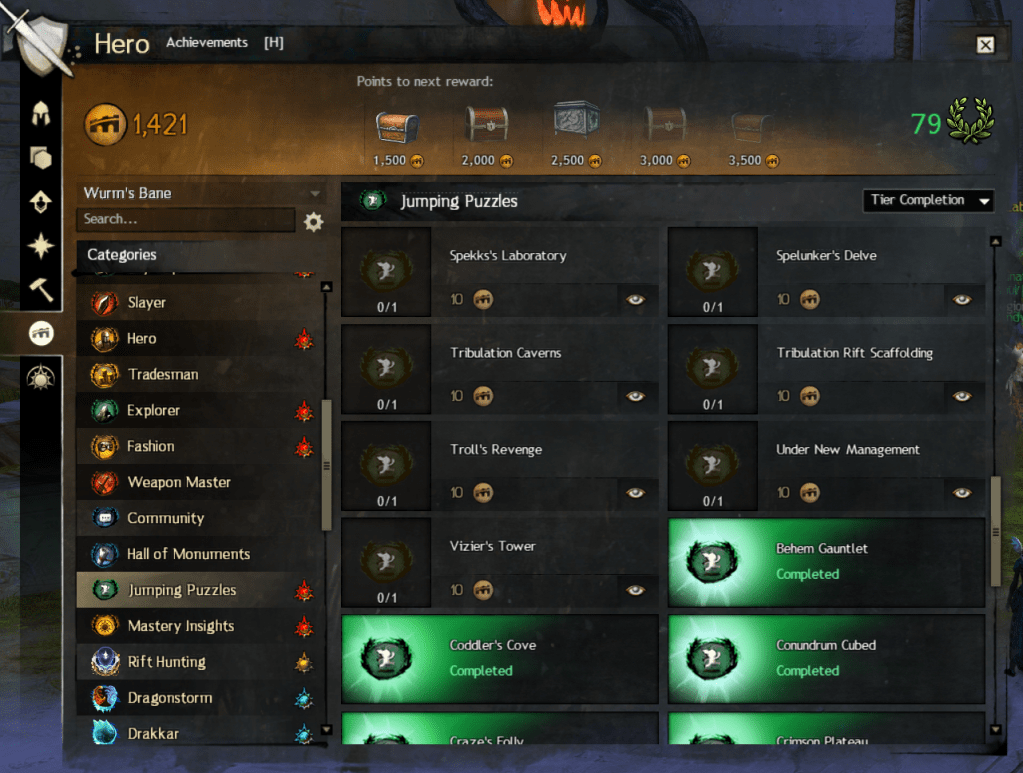
To keep players occupied, some games, such as “Guild Wars 2,” feature an achievement system that lists a variety of unusual challenges for those who have nothing to do. Even if many of them won’t give players any worthy benefits, some players simply enjoy completing them.
Expanding the game
Some games may have content added over time. The type of content may vary from game to game, but it usually includes new campaigns, additional game modes, or new characters. It encourages players to revisit the game, giving it a spark of life once again.
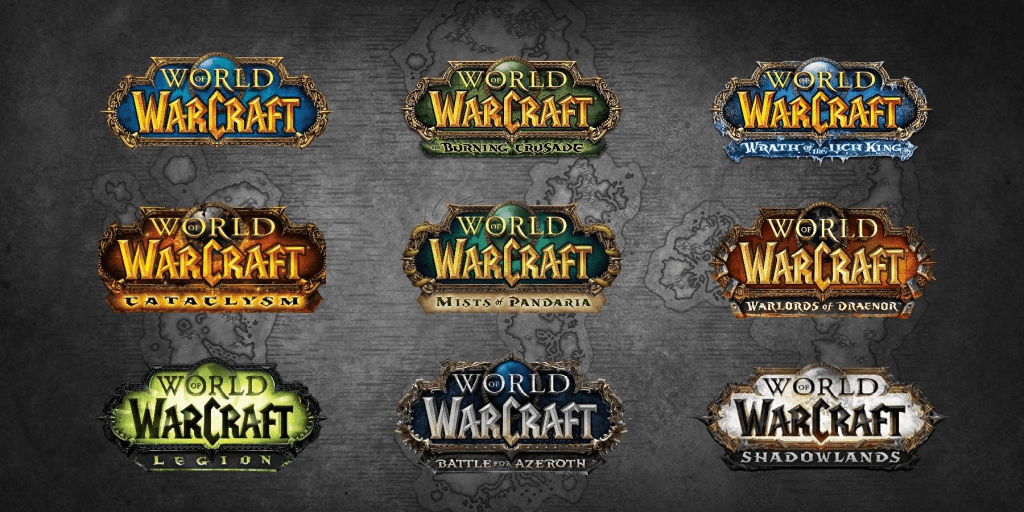
Expansions are one of the main reasons games like “World of Warcraft” remain popular even 20 years after their initial release. Each expansion introduces a vast number of quests, challenges, and some features. Even though new content can make the game feel fresh, some players may still prefer older versions, as evidenced by the popularity of the Classic version.
Keeping the game fresh
The game doesn’t really need new content to stay fresh. Sometimes all you need is to tweak already existing content, or create new variations of already existing one.
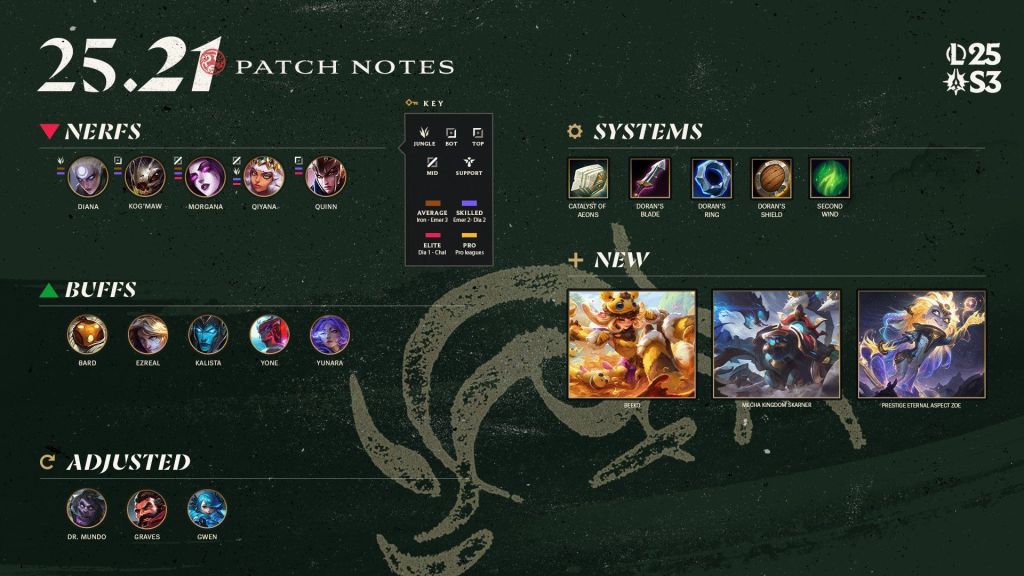
Rebalancing the game is a popular way to keep it fresh in competitive multiplayer games such as “League of Legends.” Sometimes, even a minor change can create a butterfly effect, changing the popularity of many other characters.
Giving players access to creation tools may also increase a game’s longevity. Although making proper editor tools may be time-consuming, it may save time in the long term, especially if players are very creative.
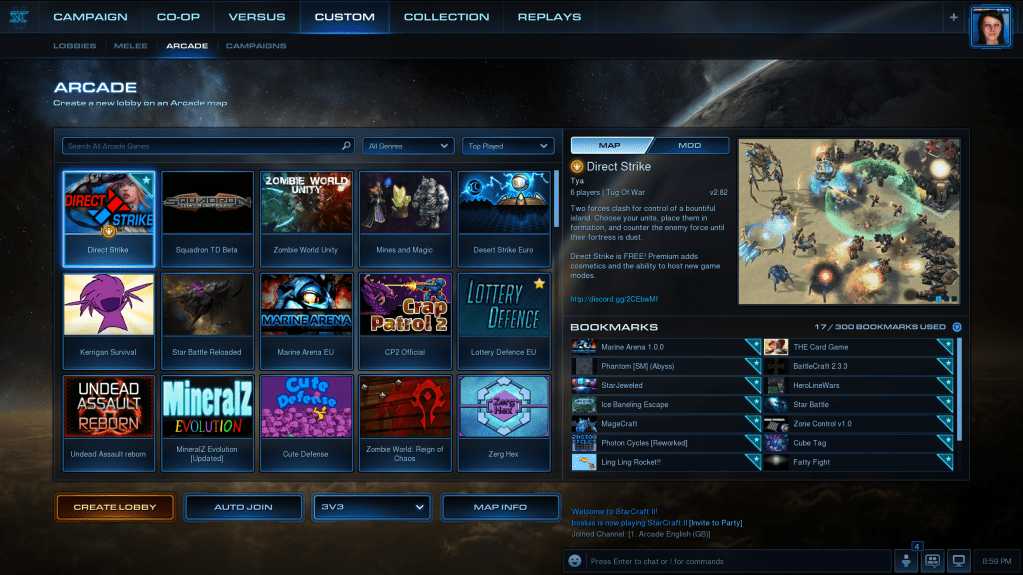
Even though “StarCraft 2” is a classic RTS, the attached map editor is so flexible that players have managed to create games from most popular genres, such as tower defense, MOBA, card game, RPG, match 3, bullet hell, hide-and-seek, and even shooter.
Alternative goals
Like I always say, everyone has unique taste and may be interested in slightly different kinds of content. This is why games often offer various game modes, each of which may appeal to a slightly different audience, despite their similarities. A simple example could be a PvP mode where players face other players on equal terms, and a PvE mode where players face scripted scenarios that are more predictable but offer tougher enemies to compensate. It not only makes the game more appealing to a wider range of players but also provides more content for those who want to try multiple options. The main downsides of this approach are that it can increase the production costs and may split their online player base into multiple groups.
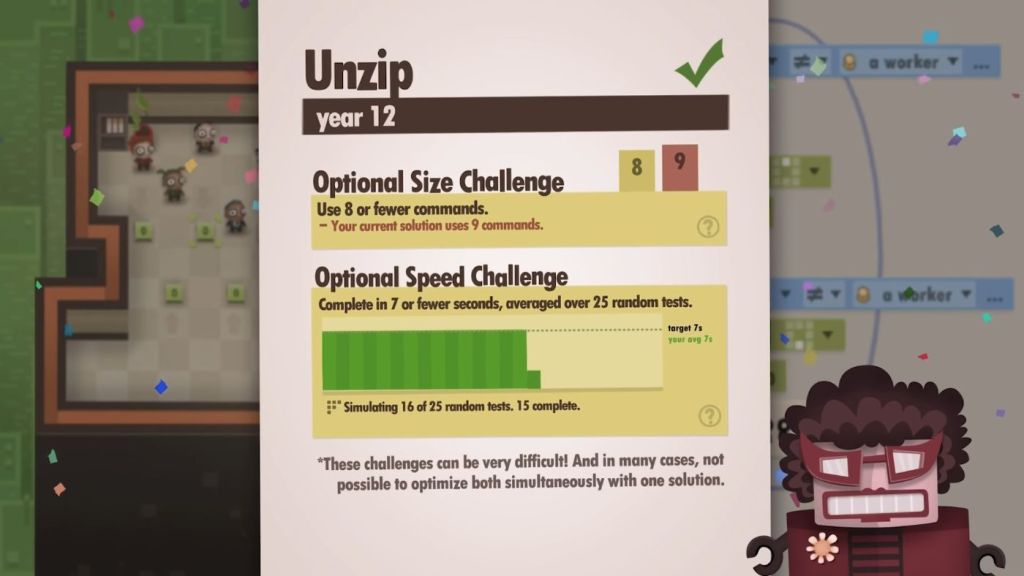
Some logic games (such as “7 Billion Humans”) include optimization challenges, where some extra conditions are added to their objective, such as achieving the result in a given time or using as few resources as possible. Although each challenge shares the same level, it’s often impossible to complete both simultaneously, as they may require completely different approaches. Once such a feature is implemented, it can be easily applied to every scenario, extending the fun from the game.
Some game goals may be very similar to the previous one, but they may still give a refreshing experience. For example, people who play games with character selection often want to master many of them, which may require completing the game’s campaign for additional time.
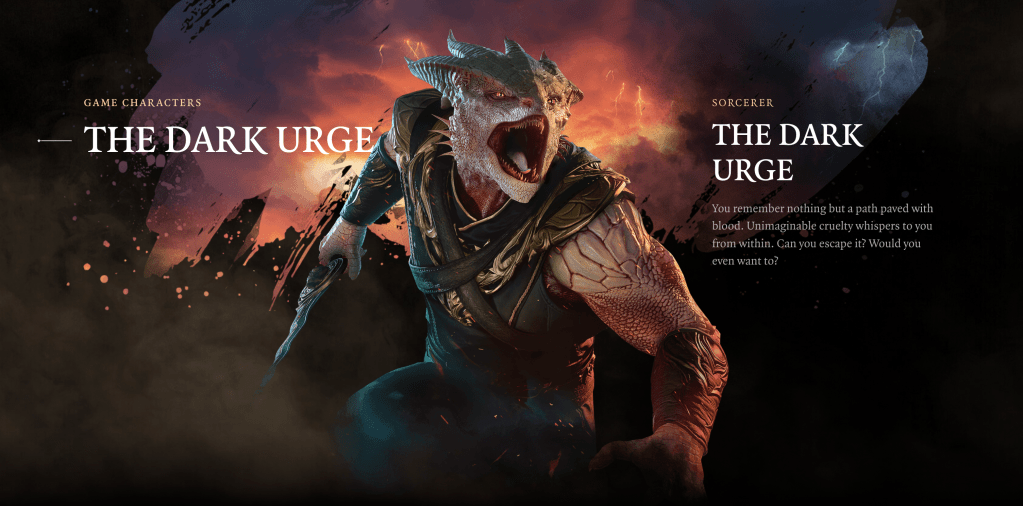
Some RPGs, such as “Baldur’s Gate 3,” not only offer a huge variety of races and classes, but also give you access to a non-linear story where all your choices matter. Even if you finished the game once, you may want to try playing it on another difficulty, playing a different character, and making completely different decisions.
Providing alternative goals also works well for match-based games. When each player has access to multiple win conditions, matches become less predictable and more interesting, making players more eager to play them again.
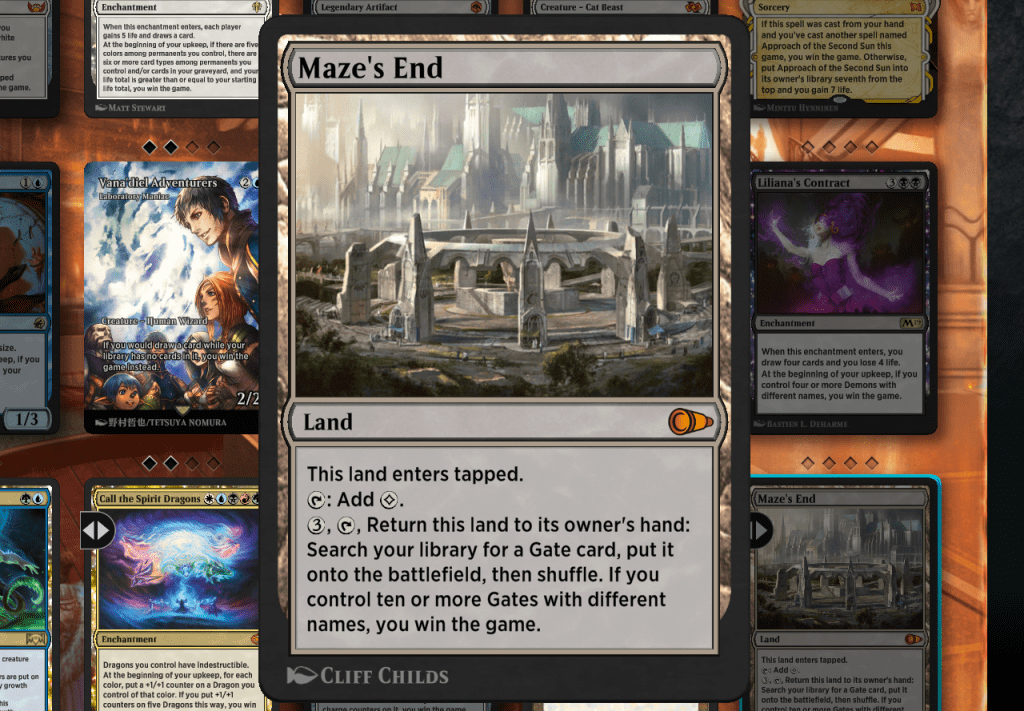
Even though many games can be won by defeating your enemies by directly attacking them, some games offer alternative win conditions. “Magic: The Gathering Arena” is an example, where some cards can win the game in an unusual way, giving a little twist to the game.
Establish uncertainty
Unpredictable games are more likely to provide players with a fresh experience each time. If the game is too predictable, people may eventually get bored with the already known scenarios.
Randomness
Uncertainty can be achieved in many ways. The easiest one is randomness, which can range from input randomness (such as map generation) to output randomness (such as the random chance of landing a critical hit).
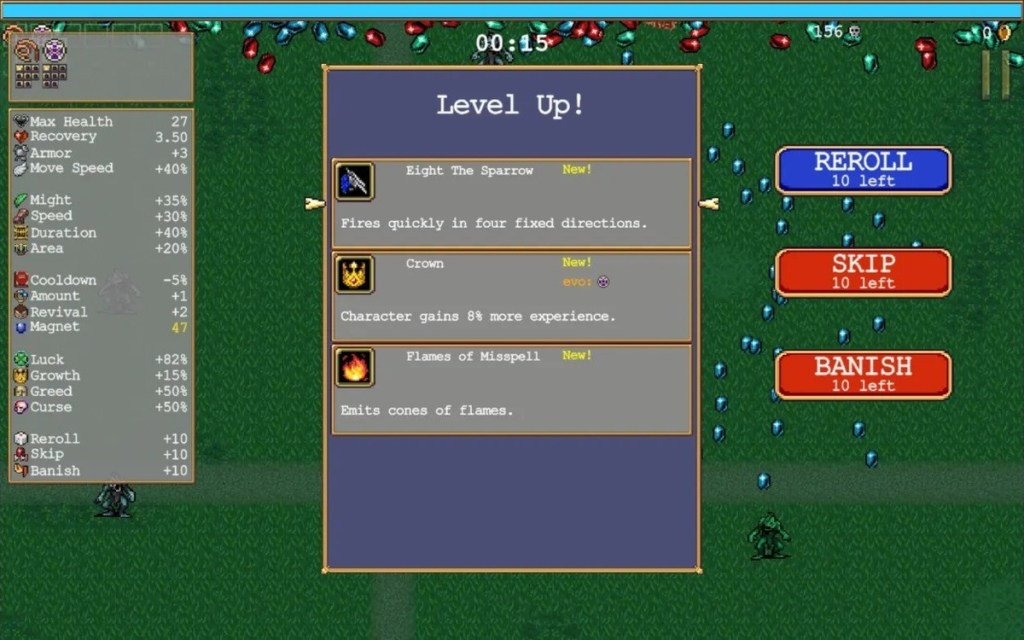
Randomness can be very addictive. Players not only may want to discover every available option, but they may also want to try many of them. In games like “Vampire Survivors,” players who gain a new level can choose one out of three random upgrades, making each run unique.
Strategy
Even if you’re playing against the same opponent in the same environment, there is no guarantee that they will behave the same as previously. It’s especially common in multiplayer games, where each player may prefer different play styles born from different experiences.
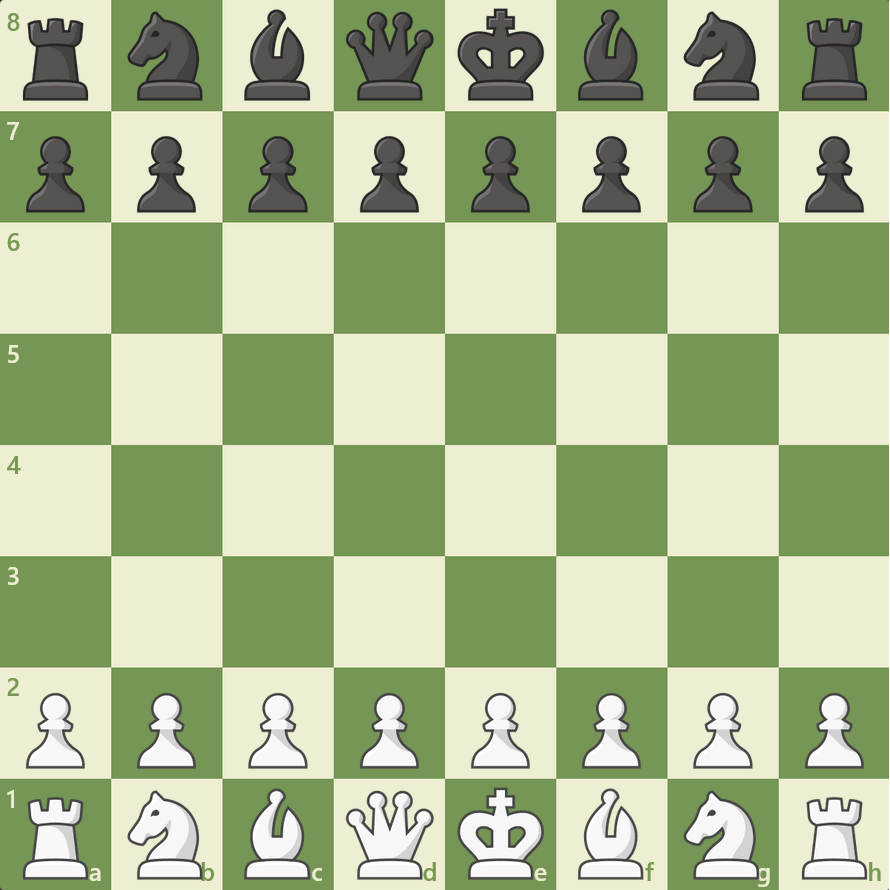
Even though games like “Chess” have relatively simple rules, people play them hundreds of times just because every match feels unique. All thanks to the uncertainty behind opponents’ moves.
Fog of war
The fog of war can take many forms and often combines well with other sources of uncertainty. For example, if a map is randomly generated, we won’t know where our opponents start the game and what riches surround them. It makes it harder for us to predict their pacing and strategy.
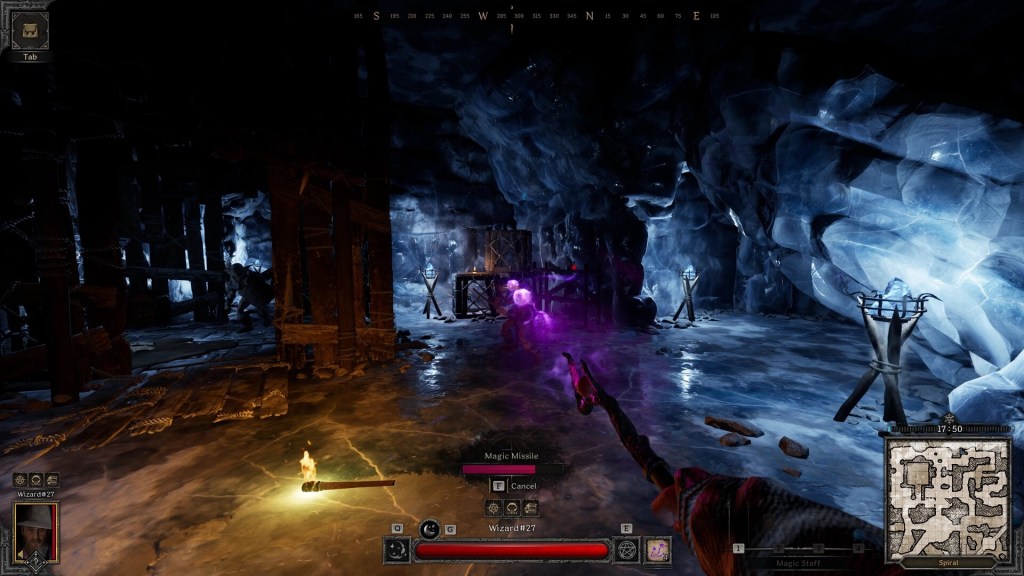
In the game “Dark and Darker,” players are spawned randomly across the whole map. Even though some game elements always remain the same, you won’t know if and when another player will try to ambush you. Replaying the game multiple times may slowly teach you how to defend yourself against them.
Make the game feel rewarding
The cheapest trick to retain players is to bombard them with dopamine. This chemical is a cheat code that can trick the player into craving the game. Games try to exploit this by offering players various rewards for their effort. They can take many forms, ranging from practical ones that affect gameplay (such as new items or abilities) to some that affect only our perception.
Psychological rewards
Even if something doesn’t directly affect the game, it can still feel rewarding. Praise can be a simple example – whenever we’re praised, we feel like we’re doing something good, reinforcing in us the idea that we should keep doing it more often.
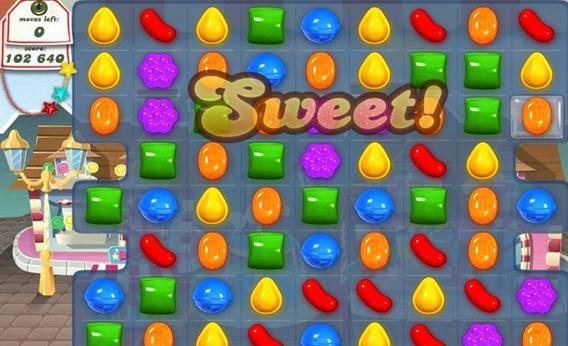
Players crave praise, even if it’s something as meaningless as an empty compliment. This is why many games (such as “Candy Crush Saga”) make notes on players’ successes.
Developers can be creative with rewards, creating unique rewards for more remarkable achievements. Hearing a completely new comment about our actions may make us feel like we’ve progressed to a completely new level.
In some games, our actions are being commented on vocally by the announcer. In “Unreal Tournament 3,” the comments depend on many criteria, making some of them more remarkable and exciting. For example, stealing a vehicle previously used by an opponent will be accompanied by the energetic “hijacked!” that praises the player for not only acquiring a vehicle, but also taking it away from an opponent.
The practices above can be described as “juicing” the game. A lot of game aspects can be juiced up by adding some extra visuals or audio effects.
Here is a GDC video that explains how to make the game overall more satisfying, providing various examples. After all, satisfaction is a reward.
Rewards don’t need to be hidden from other players. Some games are trying to put players on a pedestal, making their achievements feel even more rewarding.

In the game “Heroes of the Storm,” the system tracks each player’s accomplishments, allowing it to highlight the most remarkable players at the end of the match. It attempts to emphasize various kinds of contributions, reminding people that different strategies can lead to victory. To make things even more exciting, each player can vote for someone else, granting extra appreciation to players who truly deserve it.
Practical rewards
Of course, we can’t forget about those. We, people, are naturally programmed to crave things that would improve our lives. It includes features such as character upgrades, increased wealth, or a wider variety of tools.
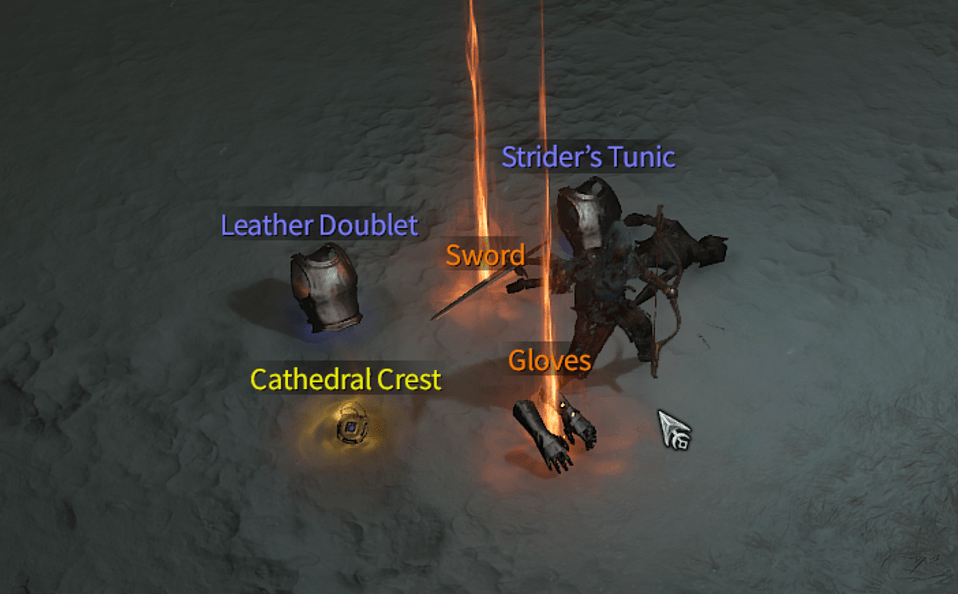
Even if some rewards have practical uses, developers often employ additional tricks to make our minds more excited about them. Using visual and audio effects for legendary items dropped by enemies makes them feel more remarkable. It’s a common practice in looter games such as “Diablo 4.”
Aside from things that make players more powerful, there is also room for rewards that increase the comfort of the gameplay. A simple example could be extra inventory slots that aren’t necessary to play the game, but make it much more convenient. Such prizes feel more rewarding if players have struggled with inconvenience in the past, as they understand the comfort they have gained. However, it’s essential not to overdo the initial inconvenience, as it may deter some newcomers. It’s best if it includes some additional purposes, such as increasing immersion or pacing the learning curve.
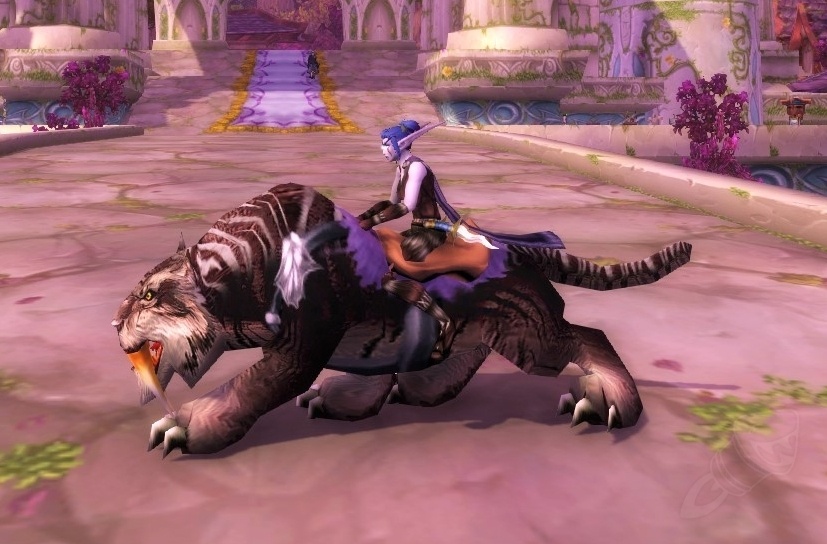
An example of a useful utility in games is the mount system. These are especially useful in open-world games (such as “World of Warcraft”), where exploring the world at walking speed takes too much time. Sometimes mounts even have multiple tiers, creating new milestones for players. The comfort becomes even greater once player unlock flying mounts.
Usually, the greater the effort something requires, the greater the prize should be. This is why bosses usually drop much better loot than regular enemies. The same applies to level completion – achieving more impressive results should lead to greater rewards.
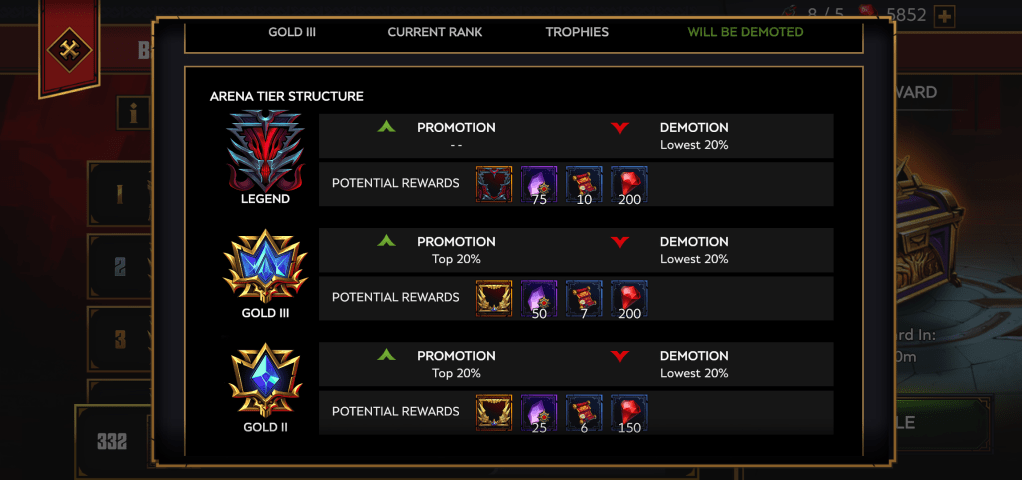
Many games (such as “Grimguard Tactics: Fantasy RPG”) offer special rewards for maintaining a high position on the leaderboard. The reward curve may vary depending on what developers want to achieve. Even though higher rewards for higher places can be a great motivator for top players, they exacerbate the disparity between players’ progress, making it harder for new players to catch up.
There is another reward category that can also be very convenient: automating mundane tasks. Even though some tasks have an interesting, immersive flavor, doing them repeatedly may become annoying. This is why some games allow you to automate certain mechanics over time.
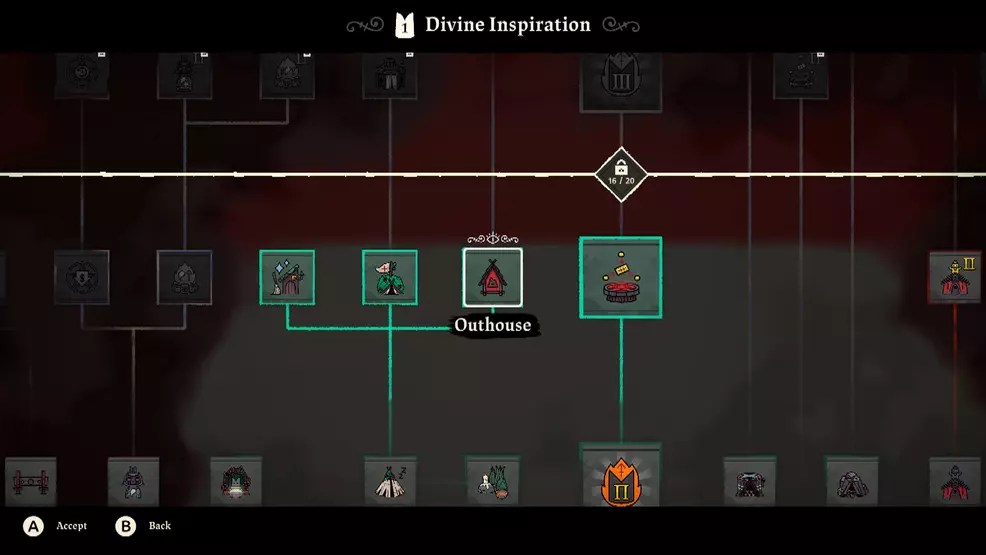
In “Cult of the Lamb,” you must care for your worshipers if you don’t want them to riot. Although tasks like food preparation make the world feel more realistic, they quickly become a mundane chore. Over time, the player unlocks access to new buildings that slowly automate particular tasks, leaving you more time for other ones.
Pace the progression
The more meaningful the rewards are, the more they encourage players to keep playing the game. The same goes for the frequency of rewards. However, the more rewards you get, the less meaningful new rewards become. A commonly used solution is dividing rewards into two categories: minor rewards and major rewards. Minor rewards are meant to prevent players from feeling like their progression is stuck, while major rewards are meant to make the game more exciting.
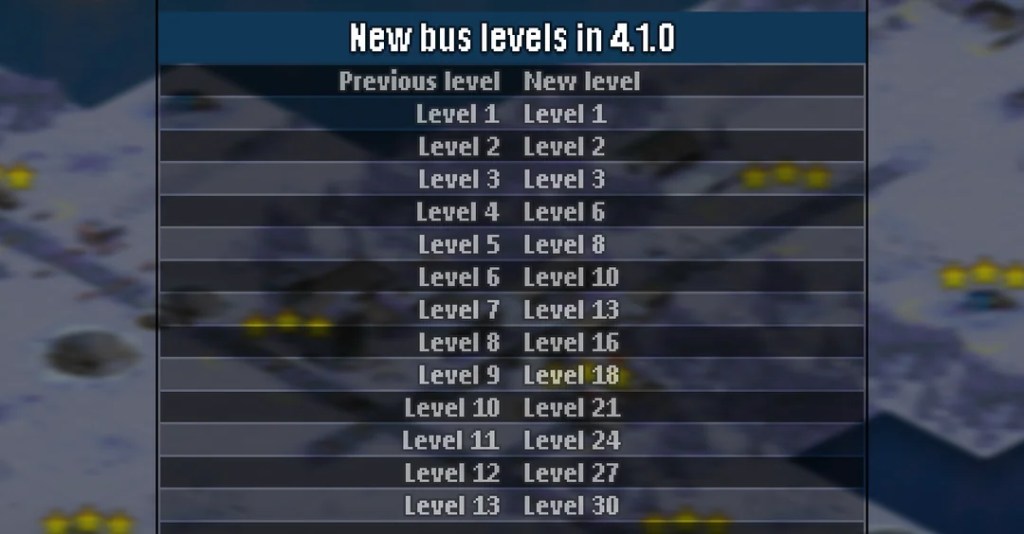
Developers of the game “Dead Ahead: Zombie Warfare” decided to increase the level cap and soften the progression curve to make the progression system feel smoother. That way, players will feel a sense of progression more often, even if it’s less impactful.
A lot of games try to make the leveling system a bit more exciting by creating leveling thresholds that can be surpassed only by meeting special requirements.
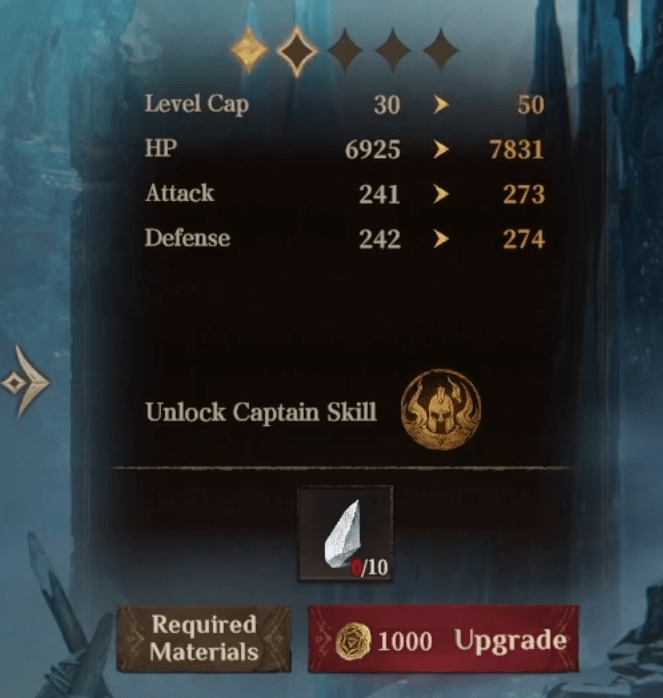
In “Dragonheir: Silent Gods,” you can level up your heroes only till a certain level cap. To increase the level cap, players have to prove themselves by beating a certain difficulty level of a particular dungeon. Unlocked possibilities feel very satisfying for players who were previously held by this cap.
Progression pacing is also important in match-based games where players start from scratch every match. It not only creates some gaming moments that are more exciting, but also opens the door for new strategic choices.
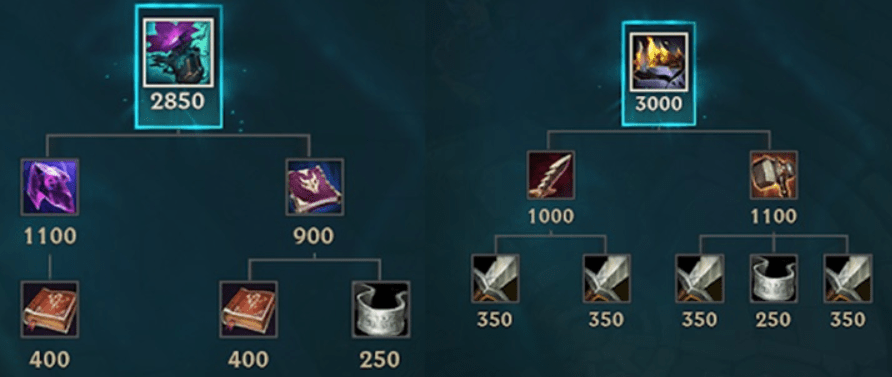
MOBA games (such as “League of Legends”)usually have multiple progression layers, where each one can create a satisfying breaking point. For example, players receive their ultimate abilities after reaching turn 6, giving the player who reaches it first a huge temporary advantage that can be strategically timed. Similar situation is with the item system, where players can often buy cheap components that give minor advantage, and occasionally combine them into a game-changing items.
Build trust
To put it simply: people who lost trust in the product (or its developers) are likely to abandon it. Players want to believe that the product they play is a promising one, especially if it’s a game that can be played for a long time. It usually means things like:
– making the game secure (preventing cheating/hacking)
– fixing bugs
– adding more content over time
– fixing other issues (such as game balance)
– maintaining the game’s quality
– keeping the player base big
If all these conditions are met, then the game usually is considered a trustworthy. However, some incidents may still happen.
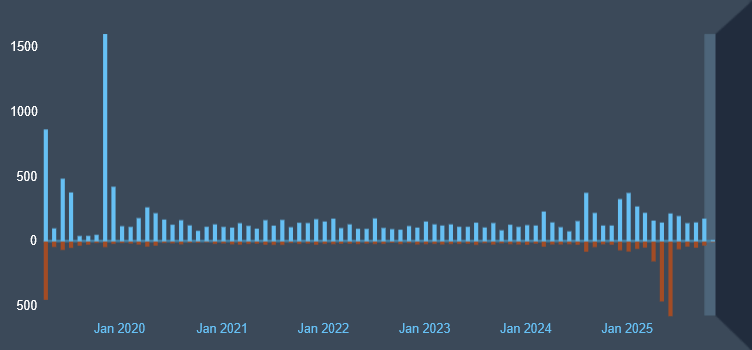
Trust can be broken at the most unexpected time. Here is a review chart for the game “Borderlands Game of the Year Enhanced.” The recent negative comments were caused by changes to their EULA, which aimed to unify the terms across all Take-Two-related games. However, the changes were misleading, and players believed that the game would abuse their privacy. Even though developers tried to clarify the situation, the damage caused by panic was already done.
Trust comes not only from what has been delivered, but also from promises that have been kept. Some people say that people would prefer to not gain anything rather than lose something important to them. It may also apply to the broken promises, as people’s judgement is based mostly on their expectations.
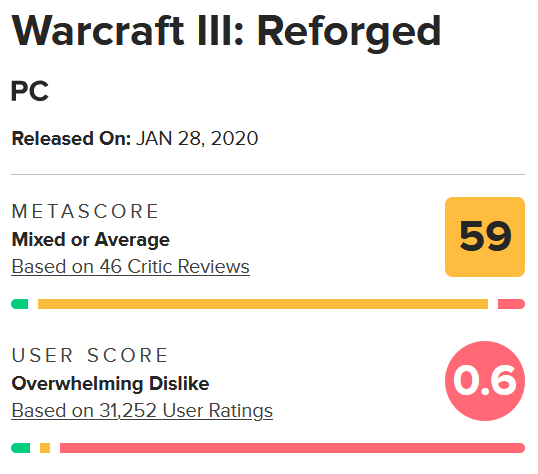
“Warcraft III: Reforged” is an example of a game that deeply hurt players’ trust. The developers not only failed to keep their promises but also took away something players already had – they removed the previous version from stores, and the online mode has also been removed.
Maintain anticipation
Creating new content for the game is time-consuming, and there is no guarantee that players will remain interested in the game when the new content is released. This is why it’s important to often fight for players’ attention. It can be achieved by creating trailers, releasing sneak peeks, making announcements, foreshadowing new content, and generating leaks, among other methods. Pretty much anything that will remind people about the game, and hopefully make them talk about it.
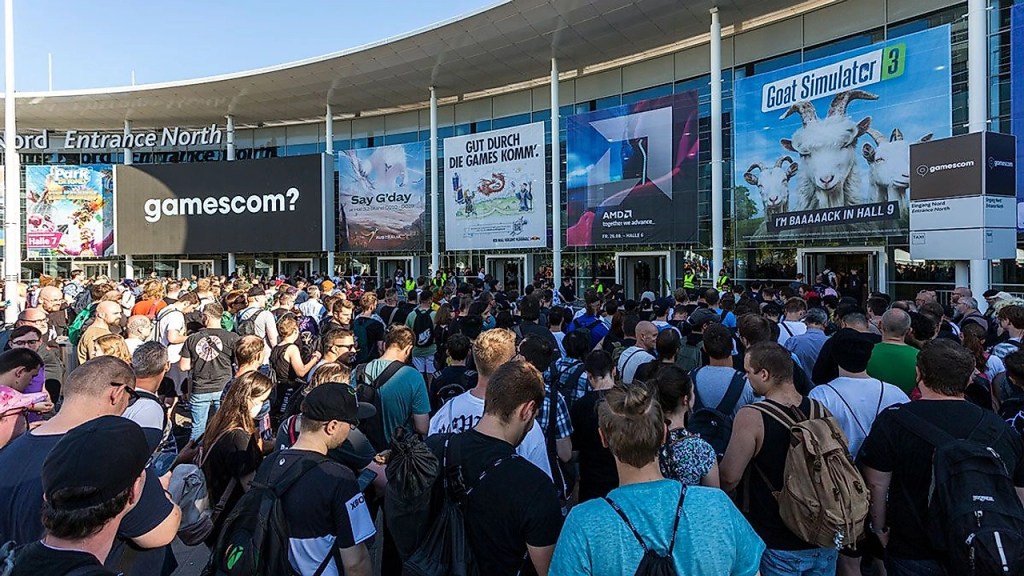
Public events, such as “Gamescom,” are a great opportunity for developers to remind their fans about their games, and also reach a new audience.
Another way to address this problem is by creating enough content to keep players engaged with the game at all times. However, achieving this goal is rather challenging.
Address feedback
Players may have numerous ideas and opinions. Since players’ comments are often subjective, based on their own preferences, not every idea should be implemented. However, some of their ideas may prove very appealing to other players, which is a good reason to listen to what players have to say.

Not everyone is keen to share their opinions. Some games, such as “AFK Journey,” implement compensated surveys that encourage players to share their thoughts for a minor reward.
Even though surveys can be comprehensive, they require a relatively huge effort from the participants. After all, people open up the game to relax after an exhausting day, and reading a huge wall of text is the exact opposite. Dividing surveys into more manageable pieces will make people more willing to share their thoughts.
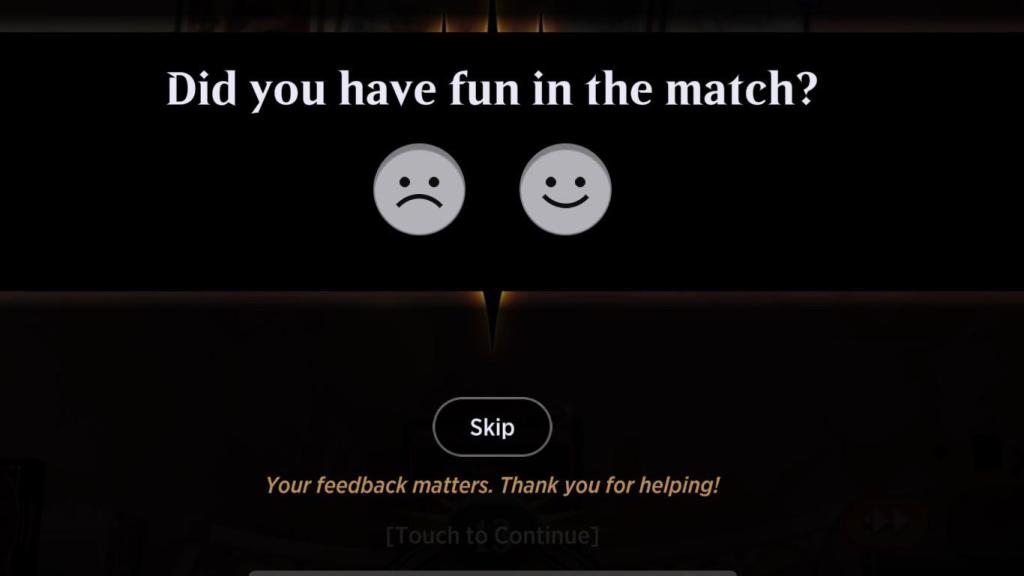
Popular multiplayer games (such as “Magic: The Gathering Arena”) often implement a post-match feedback that occasionally appears after the match. Even though a single piece of feedback says almost nothing, collecting a huge number of them may reveal correlations between certain game factors and engagement. Then, when designing new content, developers may use this knowledge to make the game more enjoyable.
The player’s feedback doesn’t necessarily have to be visible only to the developers. In some cases, making it visible to the players may make it easier for them to understand the game better, potentially making it more enjoyable.
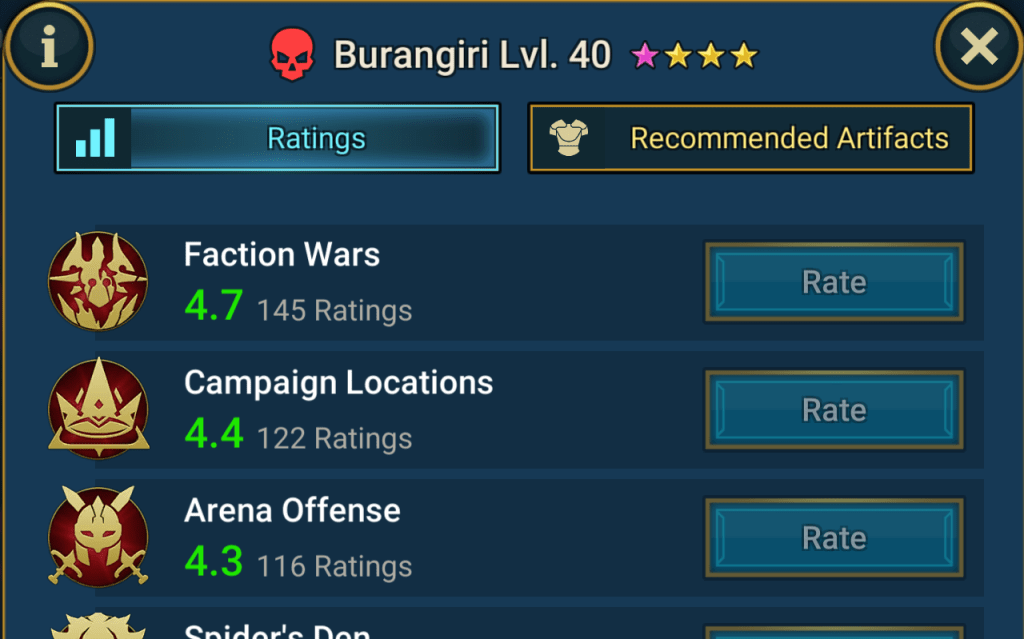
In some auto-battler games, players can review their characters in a given context. For example, in “Raid: Shadow Legends,” player can rate them based on their performance in a particular game mode or challenge type. It makes it easier for players to understand the purpose of a hero. Developers can use this data to balance the game, having revealed strengths in mind.
While people opinions about existing content is important, getting their ideas for the improvements may also be beneficial.
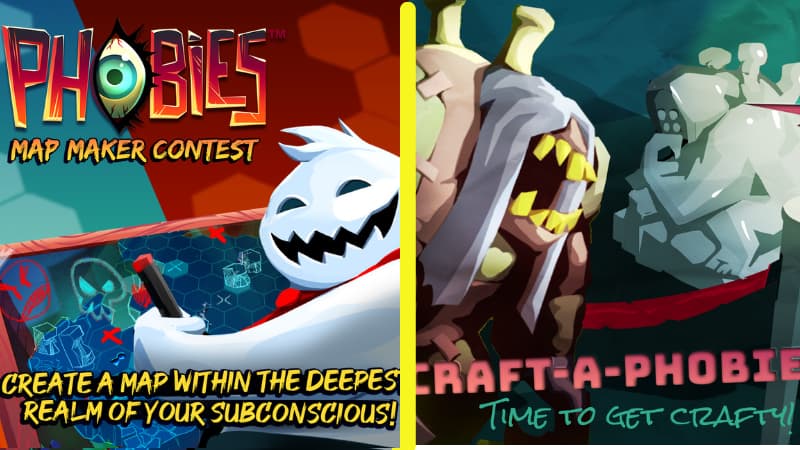
Creating content creation contests for players is not only a way to bond with the community, but also reveals what people truly desire from the game and what they think would be cool. If all entries are visible publicly, people may even comment on them, making their opinions even more visible. “Phobies” creators occasionally held contests where winning ideas had a chance to appear in the game itself.
Strengthen the bonds within game’s community
A game itself isn’t the only thing that can keep people around. Sometimes social bonds are stronger than anything else. It’s quite common for people to choose games that can be enjoyed with their friends. Sometimes it goes the other way around: we may find new friends while playing the game we enjoy. Once a player has a taste of what it’s like to share the fun with others, gaming alone won’t feel the same. People often reach out to their friends to join the game, making them more likely to keep playing (at least until one friend persuades the others to play something else).

The impact of familiarity between players varies depending on the game. For example, in games from the social deduction genre, such as “Among Us,” players are meant to bluff and read the bluffs of other players. The mind games feel more interesting if you can hear people on the voice channel, especially if you have to come up with new ideas when playing against people who already know all your ticks. People also tend to create friend groups for other reasons, such as sharing similar preferences about the game’s settings, having a similar maturity level, or being available at the same time.
Some games try to apply extra social pressure by creating game features that favor well-organized players. For example, having a guild system that requires activity from all members may encourage them to stay active, as they don’t want to let their fellow guild members down. As an introverted person, I consider it a toxic strategy. Many guilds reject players who are not active enough.
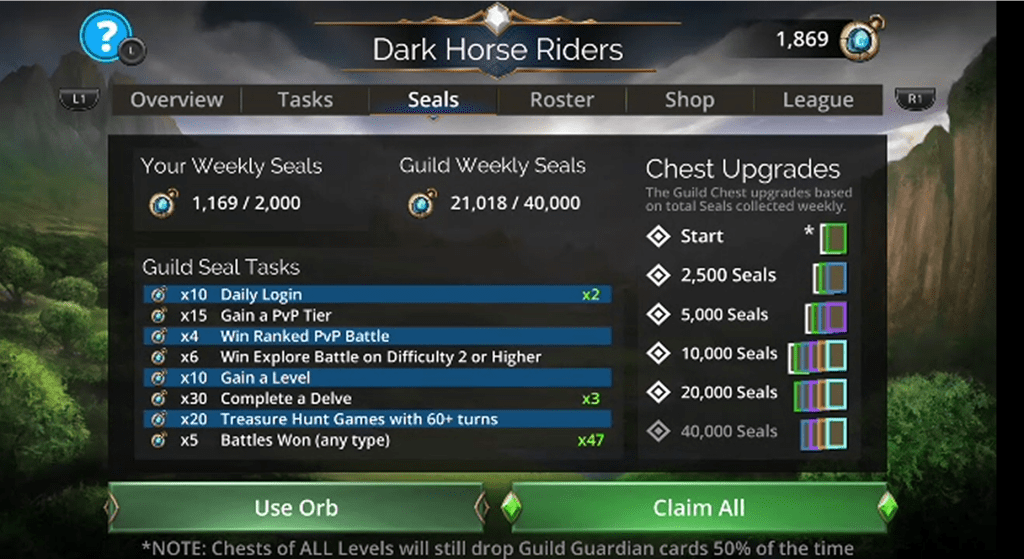
“Gems of War” is an example of a game that applies pressure to the players. The chest upgrade system is one of the layers responsible for this: the guild must collect 40k seals in a week to maximize their profits. Since a guild can have up to 30 members, this goal can be achieved even with 20 members, making the system a bit more accommodating towards less active players.
Summary
There are many ways to keep the player engaged. Most of them can be summarized as enhancing the game’s enjoyment, increasing the players’ attachment to it, and remind about the game.
 Game Anatomy
Leave a comment